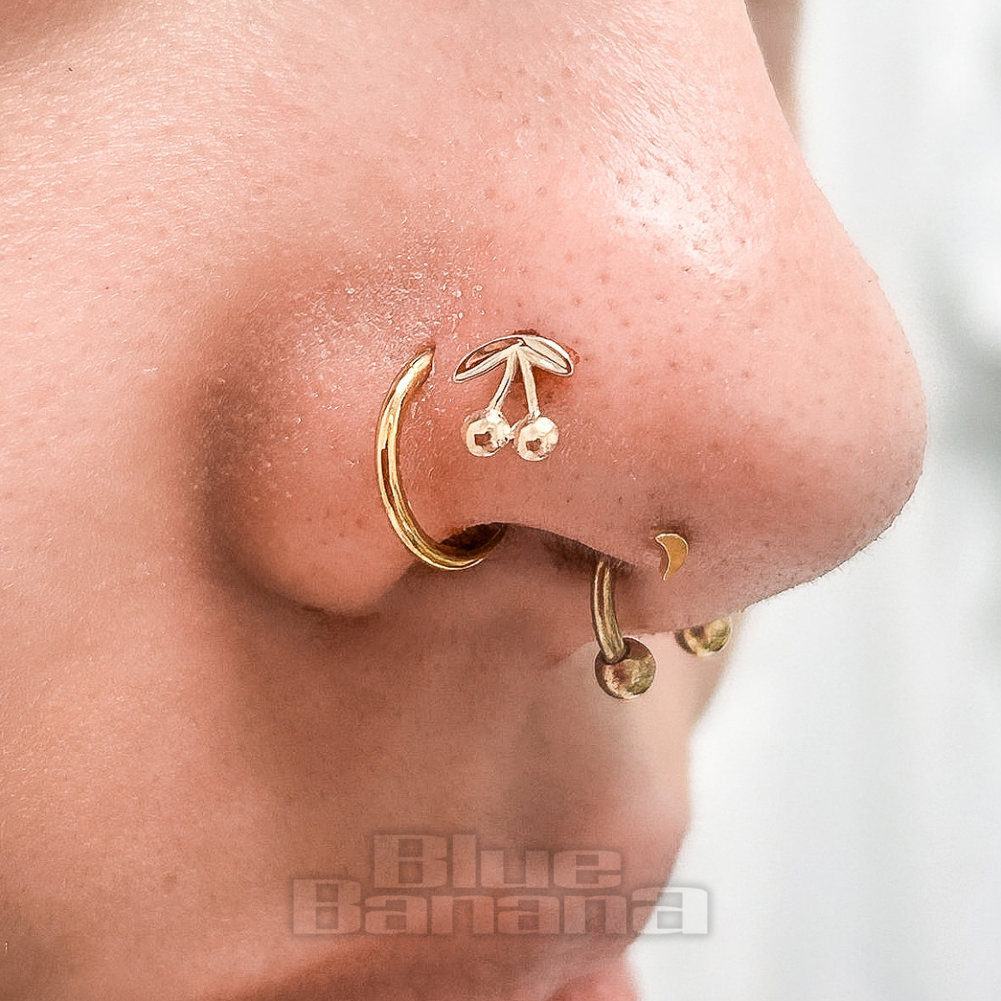
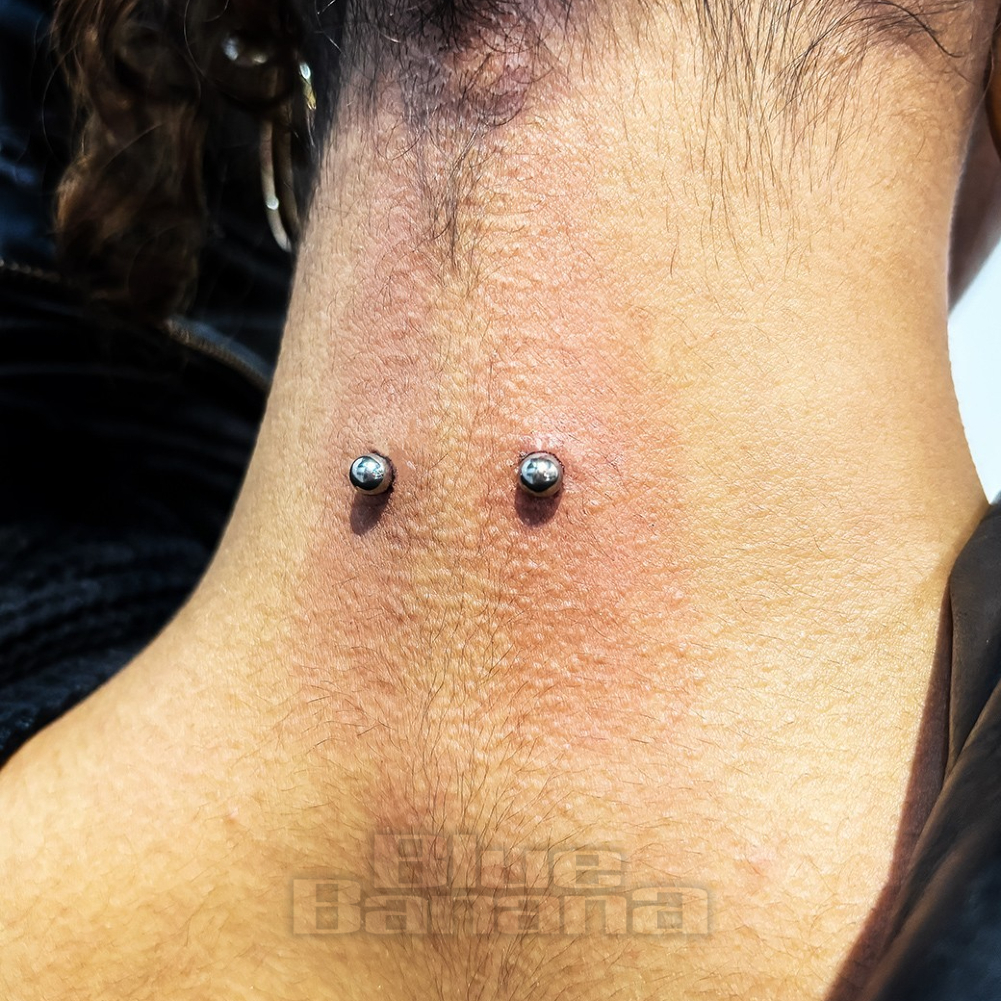
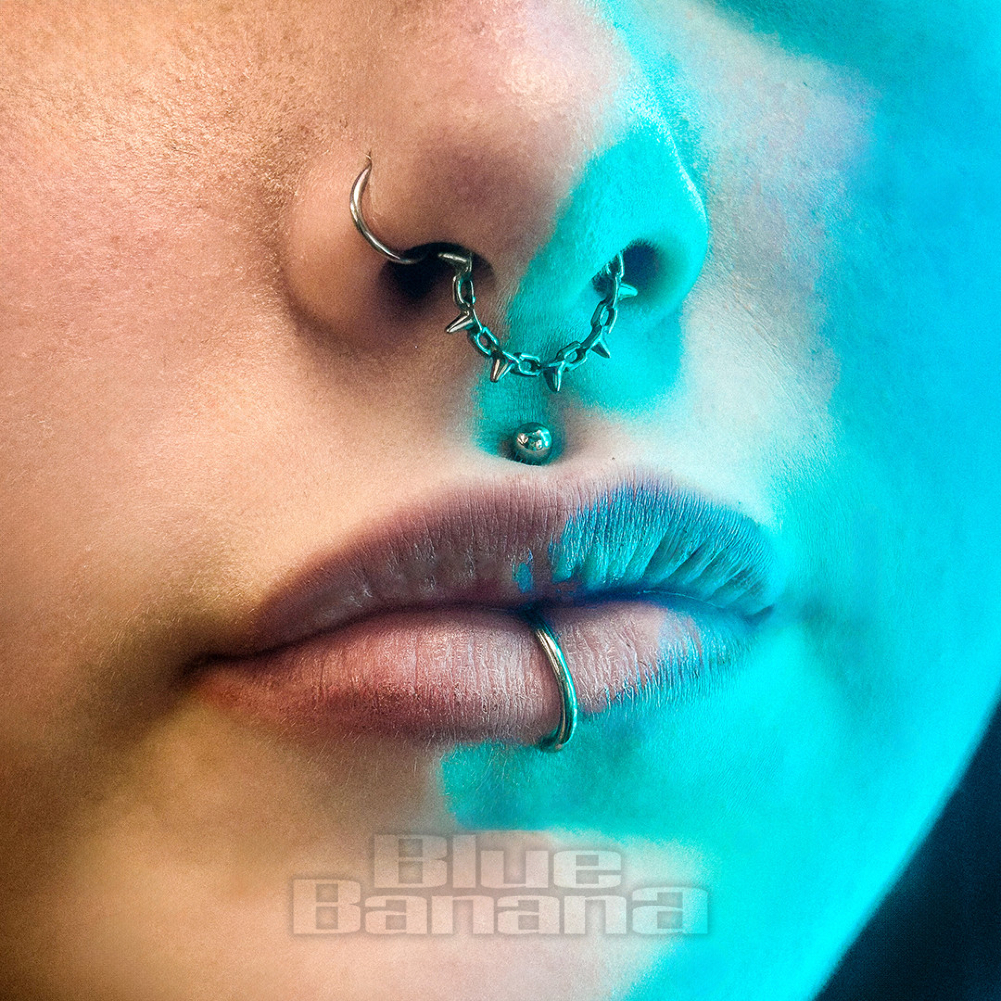
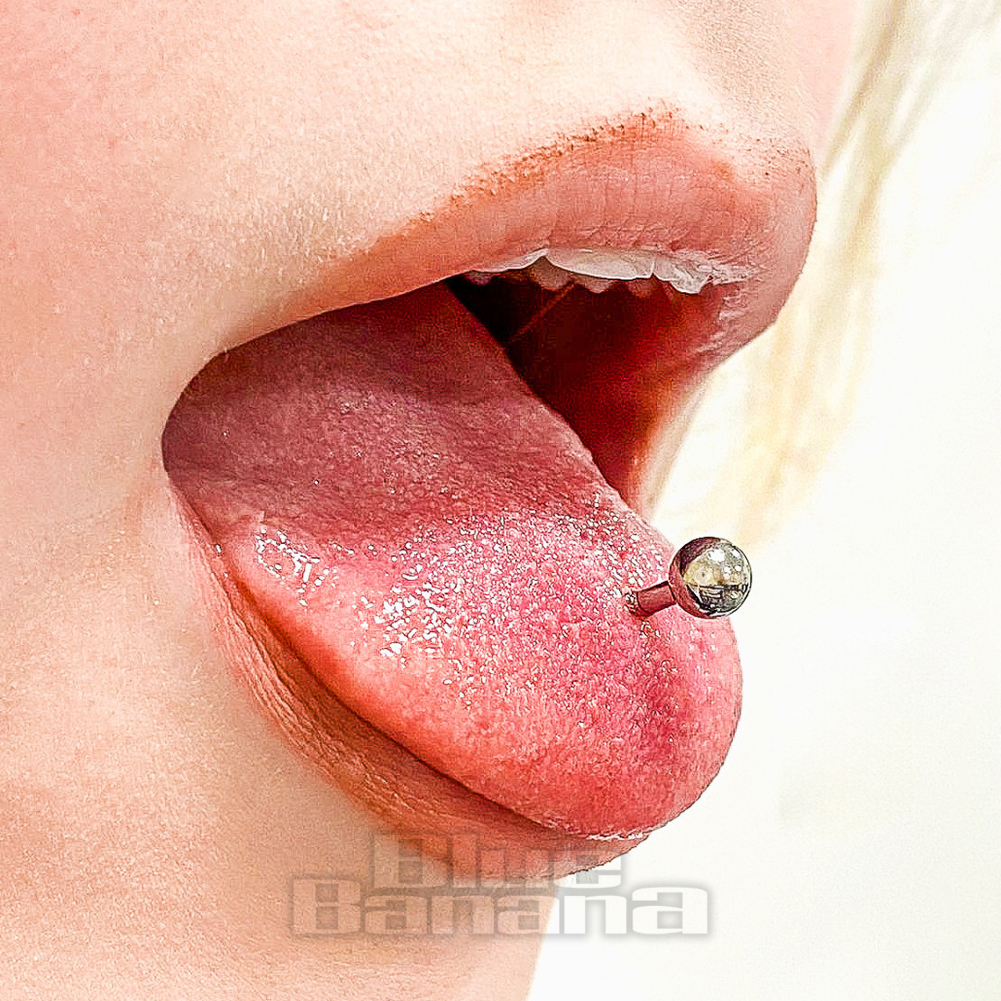
What is piercing migration?
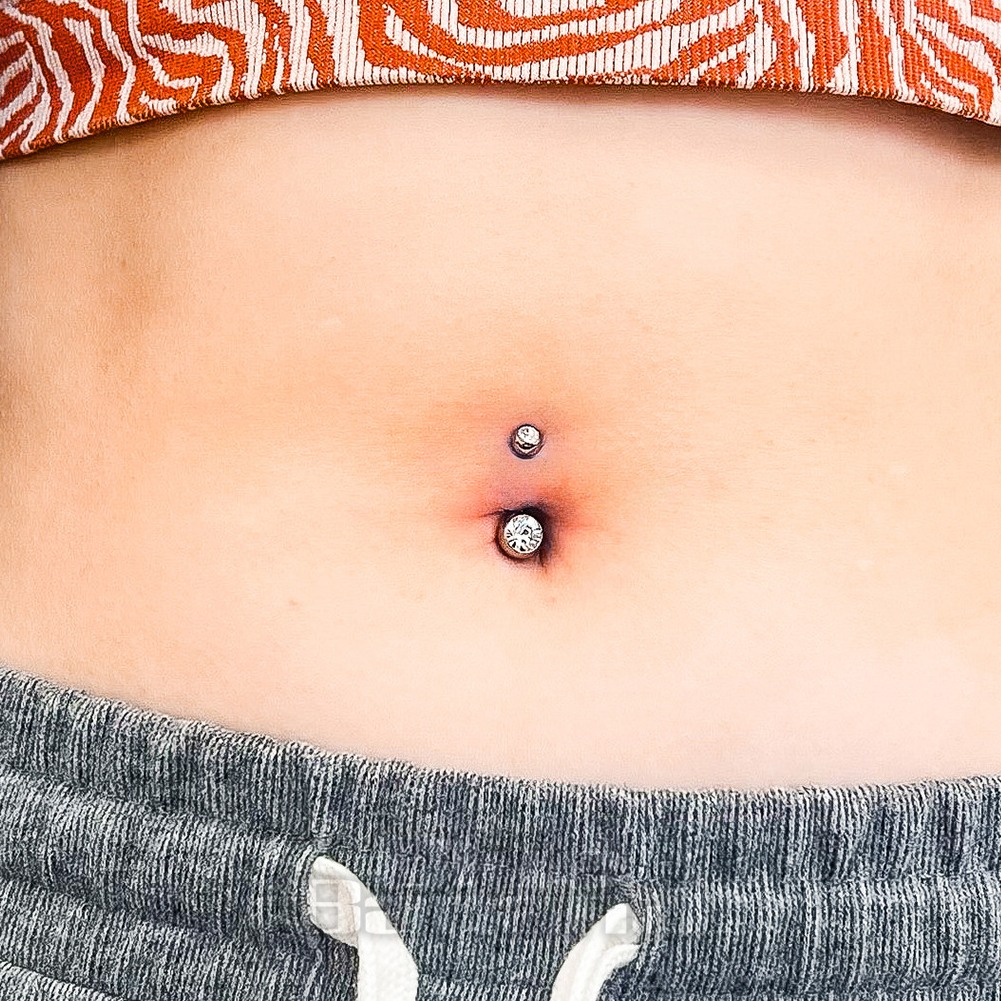
Piercing migration refers to when your body begins to reject a piece of piercing jewellery. This causes the piercing to move, or ‘migrate’, over a long period of time.
Why do piercings migrate?
A piercing will migrate if it was pierced close to the surface, or in an unsuitable piercing area. This is the most common cause of piercing migration, but don’t be fooled- even the most well-done, common piercings can occasionally migrate. Some people just have very sensitive skin, which doesn’t respond well to foreign objects and materials.
How to tell if your piercing is migrating-
As the migration process is very gradual, it can be hard to immediately notice. However, if you see that your piercing has moved slightly, or that it’s very irritated, migration may be the cause.
What is piercing rejection?
Piercing rejection is the end result of piercing migration. If your body keeps pushing the piercing jewellery out, eventually it will fall out of your skin completely. We don’t want migration to ever reach the point of rejection, as this can leave you with infection and even scarring.
What do I do to stop piercing migration/rejection?
If you notice any signs of piercing migration/rejection, the best solution is to remove your piercing. It may be that your anatomy simply isn’t suited to that type of piercing, or maybe you just need to give your skin some time to heal before trying again. Either way, go straight to one of our piercing studios and get one of our trained piercers to remove the piercing for you, avoiding any extra infection and scarring.
What is piercing infection?
A piercing infection is just like any other infection- if your piercing is contaminated by external bacteria, it will become infected.
How can I tell if my piercing is infected?
If you notice excessive irritation, redness, heat, swelling, pain, or fluid around the piercing area, it may mean that your piercing is infected.
How to treat a piercing infection
The best thing to do is to go straight to your GP. They’ll be able to look at your piercing area and diagnose the infection. They can also give you helpful antibiotics to target and hopefully cure the infection. Having an infected piercing doesn’t necessarily mean the piercing has failed. It may still heal, given some time. DO NOT remove your piercing unless told to do so by a licensed piercer or healthcare provider.
What are Pseudomonas?
Pseudomonas are a specific kind of bacteria that can cause cartilage infection. This infection will need a specific type of antibiotic, so if you suspect Pseudomonas to be the cause, make sure to discuss it with your GP.
What are Keloids?
Keloids are small red bumps that can emerge around an ear piercing. They’re made up of scar tissue and are very hard to get rid of. If you notice Keloid scarring around your piercing area, simply consult your GP.
Got more questions? Book a piercing consultation here.