

















Piercing Aftercare: How To Look After Your New Piercing
If you’re a fan of piercings, you’ll know all about piercing aftercare. For piercing lovers, piercing care is bound to be the most annoying part of the process, but it’s an absolute must. Not cleaning your piercing properly can lead to piercing migration, infection, and even rejection! So, for the first-time pierced- how can you look after your new piercing? In today’s piercing aftercare guide, we’ll go over all of the essentials of piercing aftercare- the DOs, the DON’Ts, the top tips for different body parts, and the care products that you can buy to make your piercing healing process a little easier. Want a piercing that heals in no time? Follow our piercing aftercare steps!
Featured Images
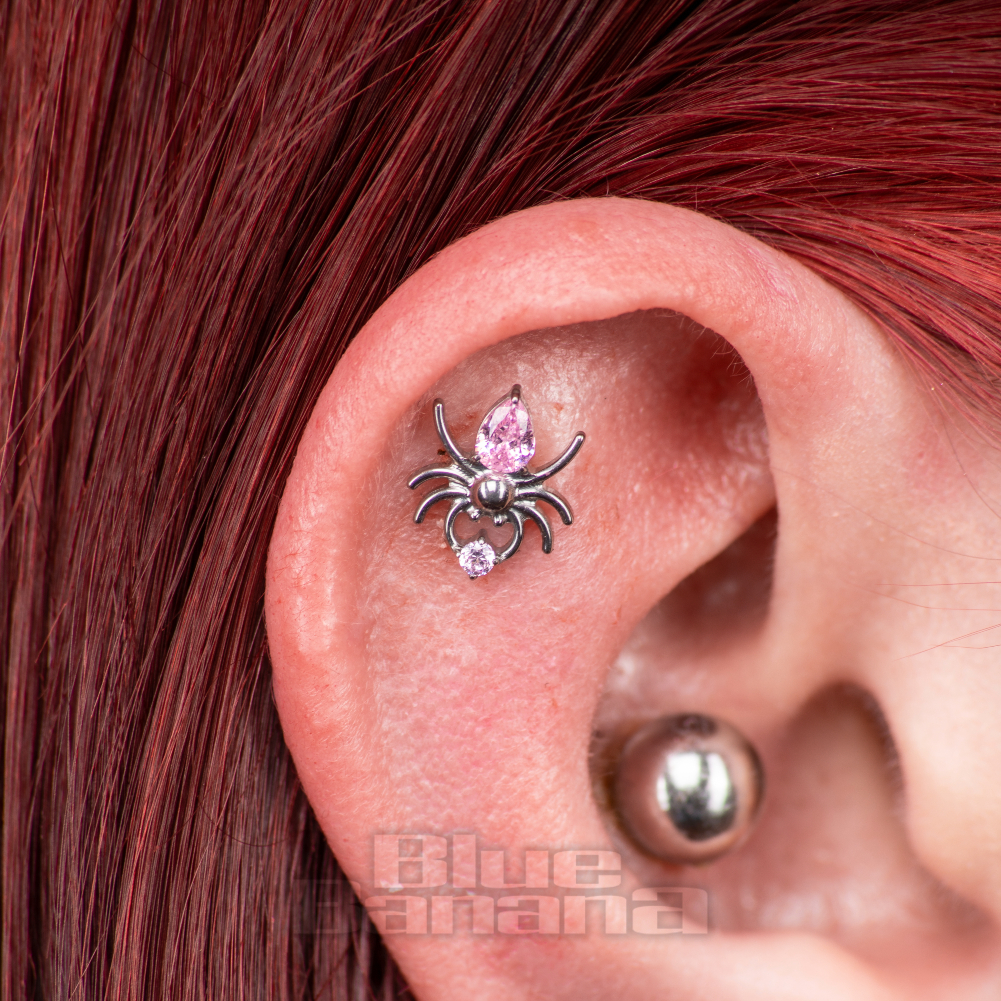
Blue Banana Titanium Spider Threadless Labret (Rose Pink)
Blue Banana Titanium Spider Threadless Labret (Rose Pink)
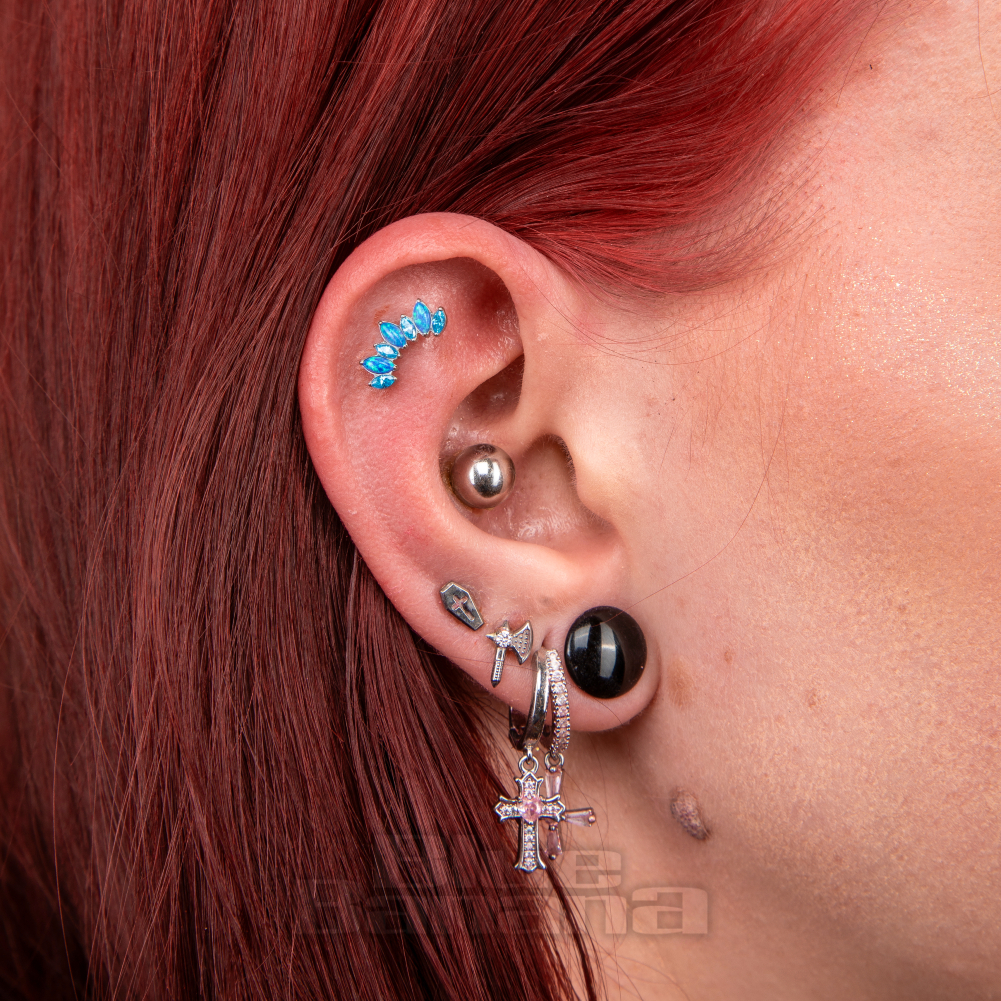
Blue Banana Polished Titanium Curved Marquise Threadless Labret
Blue Banana Polished Titanium Curved Marquise Threadless Labret
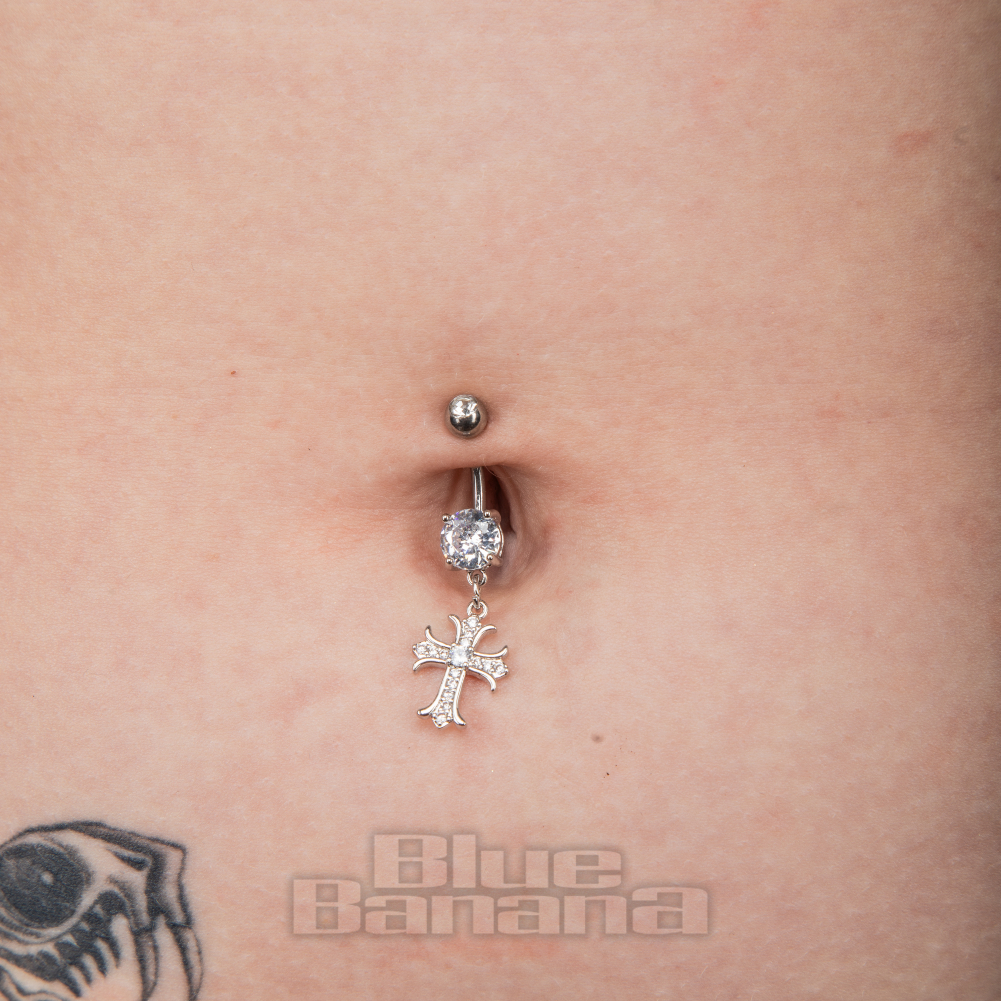
Blue Banana Surgical Steel Zircon Cross Navel Bar (Crystal)
Blue Banana Surgical Steel Zircon Cross Navel Bar (Crystal)

Tragus Piercing | 14k White Gold Star Threadless Top
Tragus Piercing | 14k White Gold Star Threadless Top

Central Eyebrow Piercing | Polished Titanium Curved Barbells
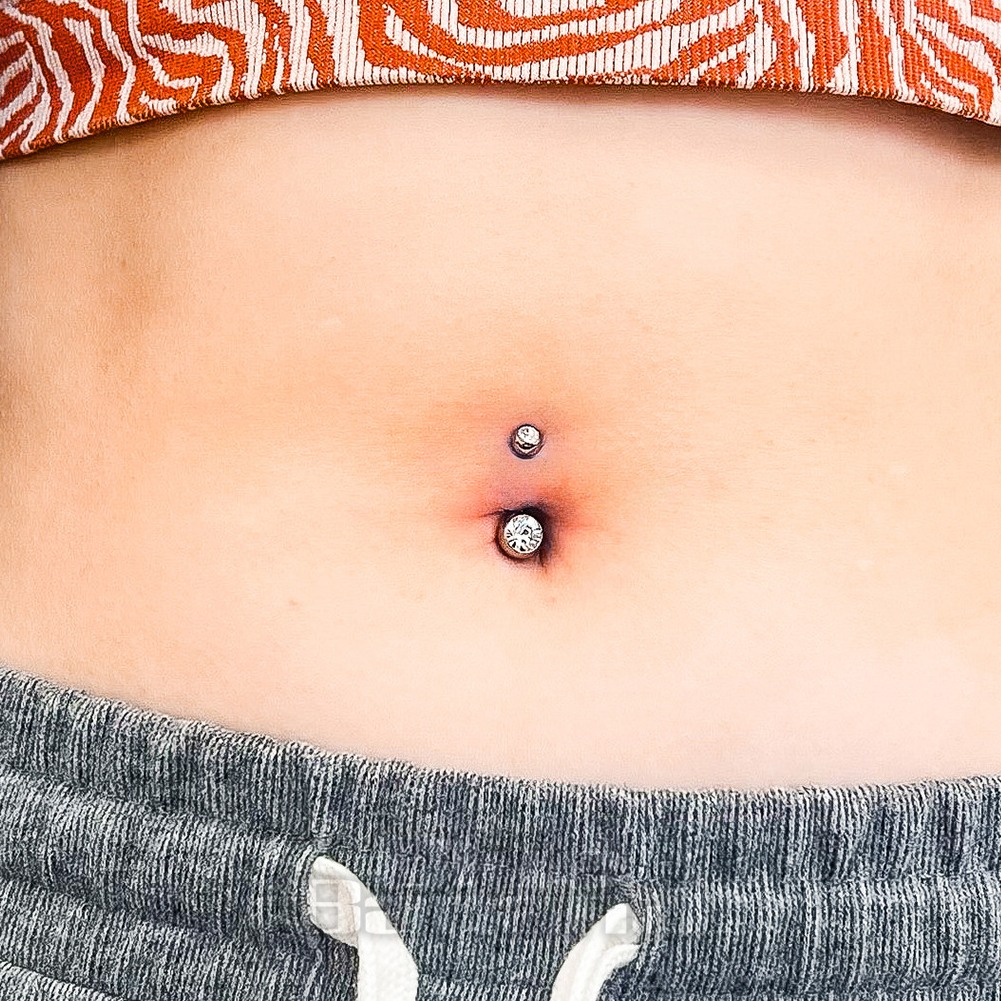
Navel Piercing | Polished Titanium Double Jewelled Navel Bar
Navel Piercing | Polished Titanium Double Jewelled Navel Bar
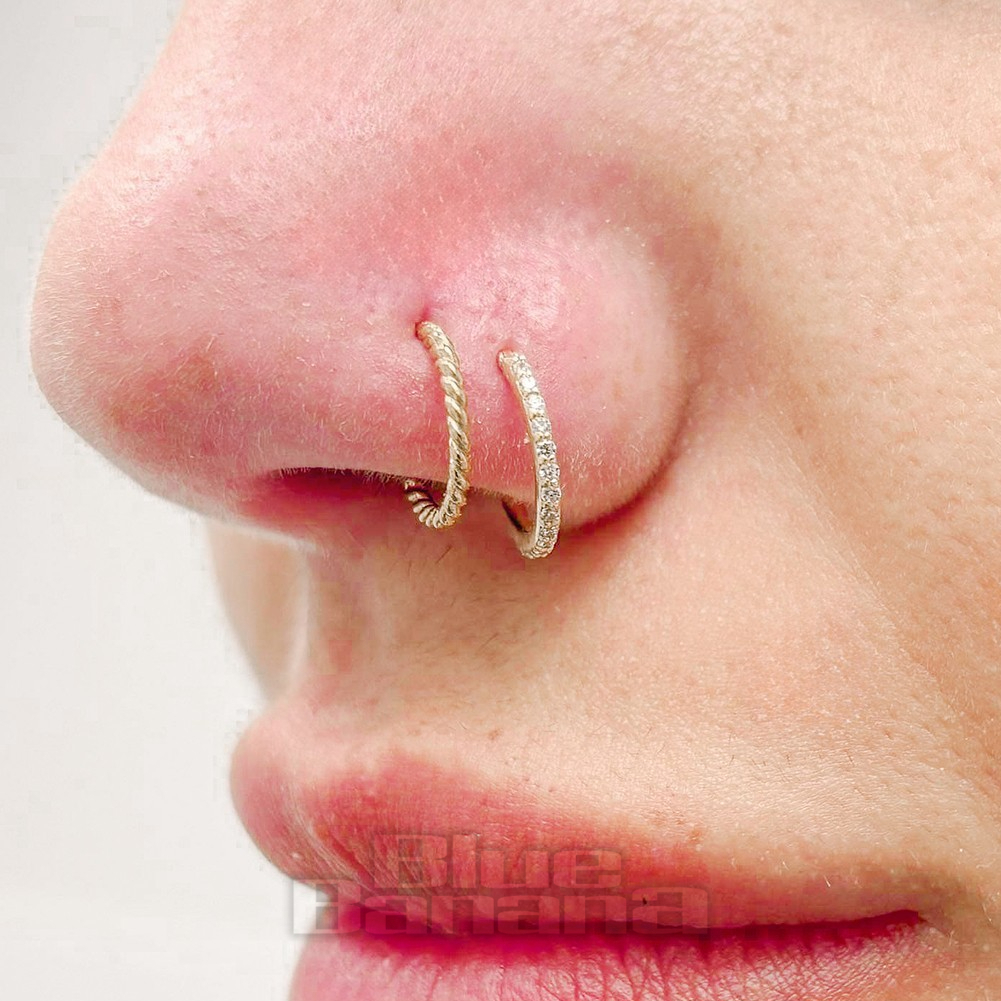
Double Nostril Piercing | 14K Gold Hinged Segment Rings
Double Nostril Piercing | 14K Gold Hinged Segment Rings
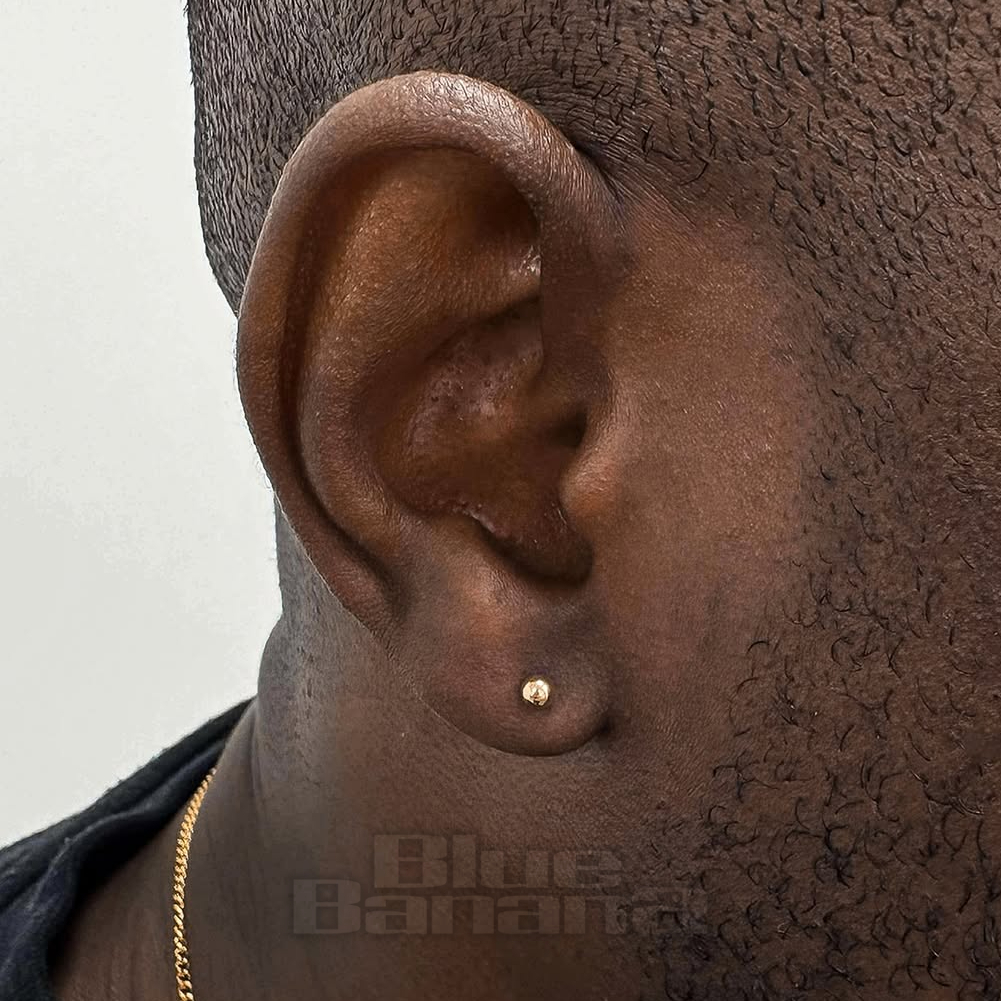
Lobe Piercing | Plasma Gold Labret
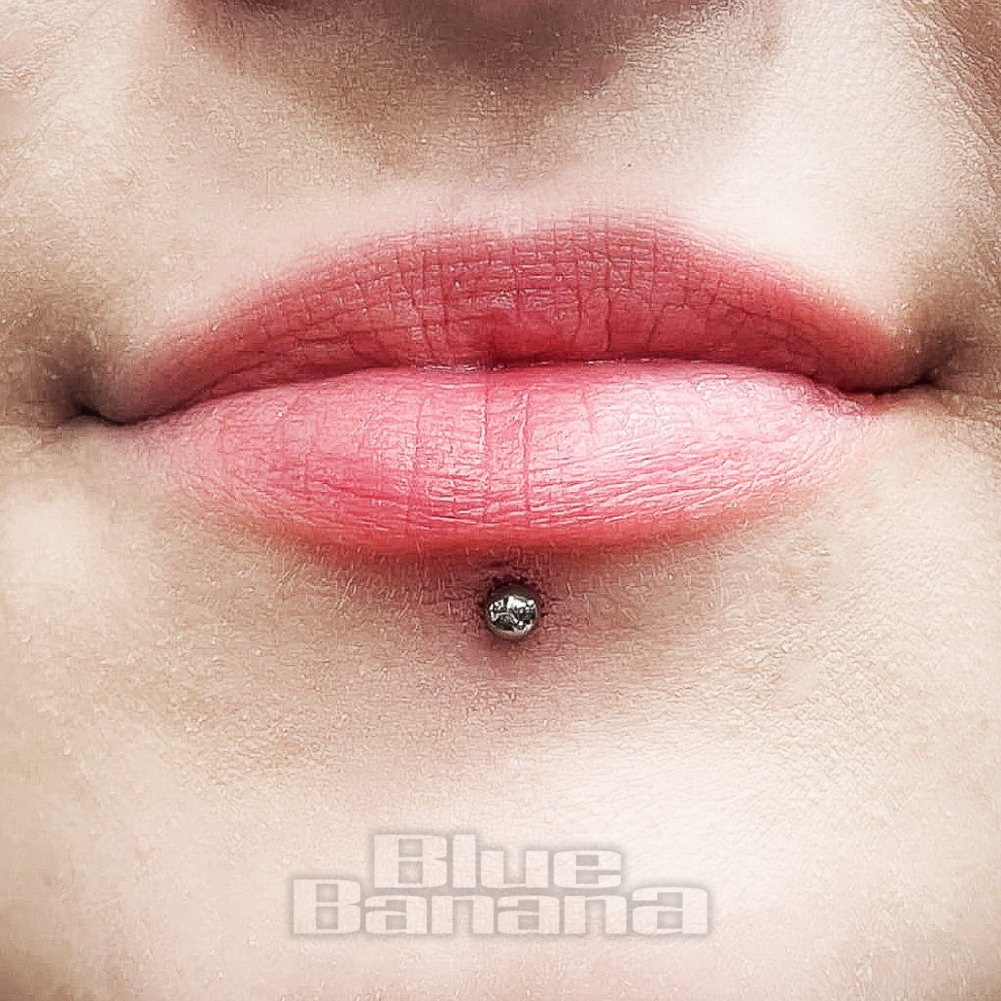
Labret Piercing | Surgical Steel Silver Labret
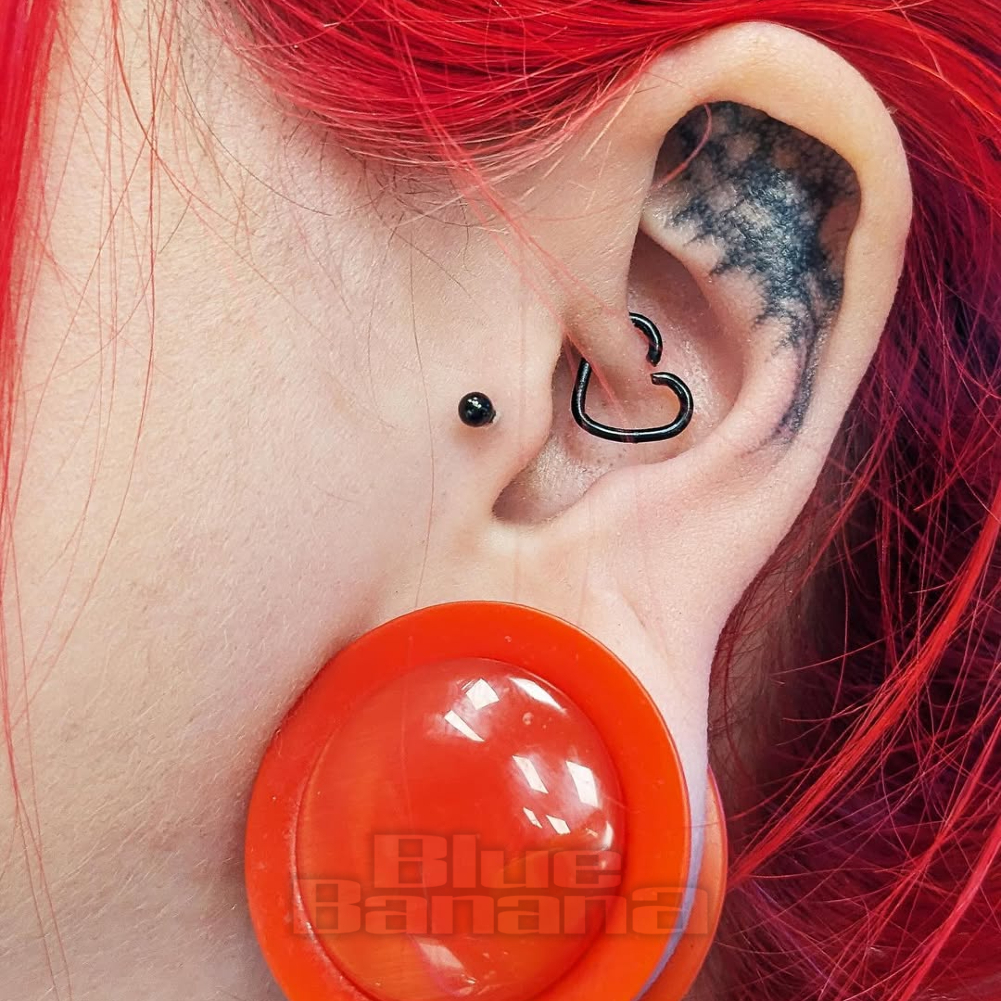
Daith Piercing | Surgical Steel Daith Heart (Black)
Daith Piercing | Surgical Steel Daith Heart (Black)
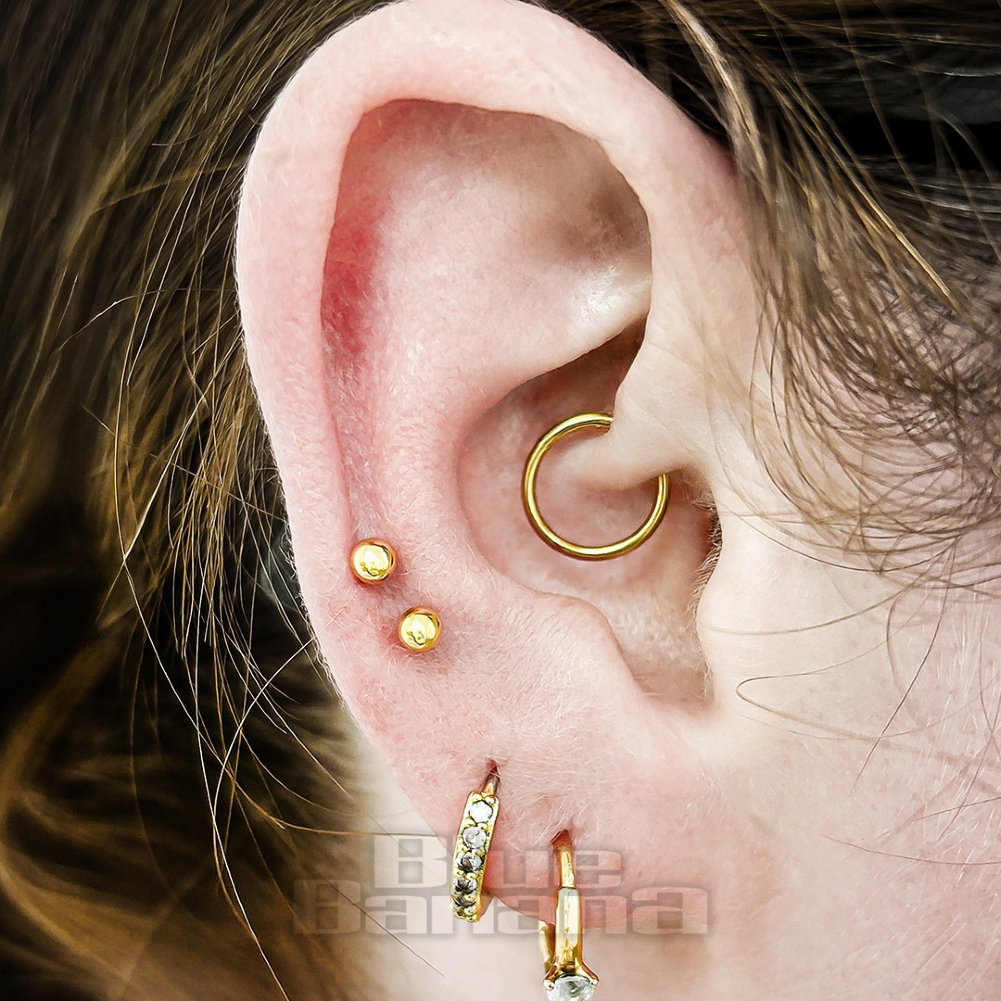
Daith Piercing | 14K Gold Hinged Segment Ring
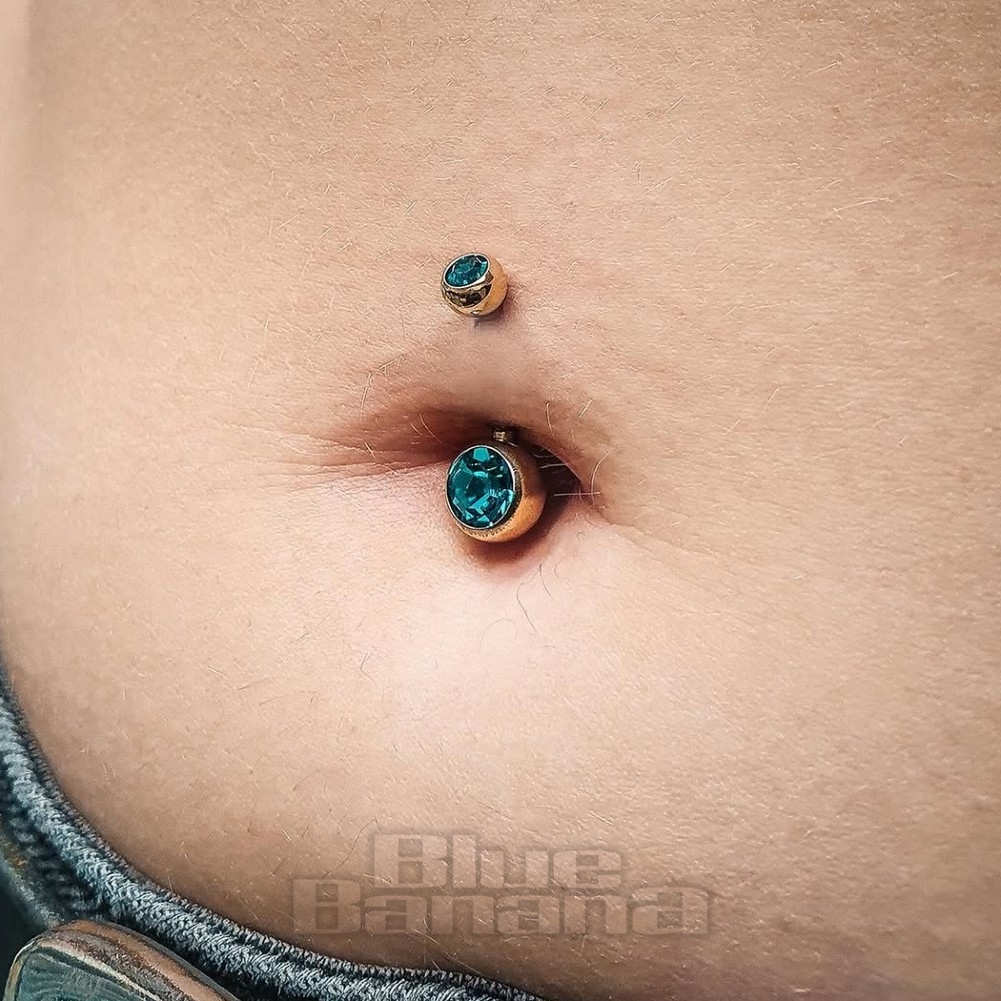
Navel Piercing | Plasma Gold Double Jewelled Navel Bar (Zircon)
Navel Piercing | Plasma Gold Double Jewelled Navel Bar (Zircon)
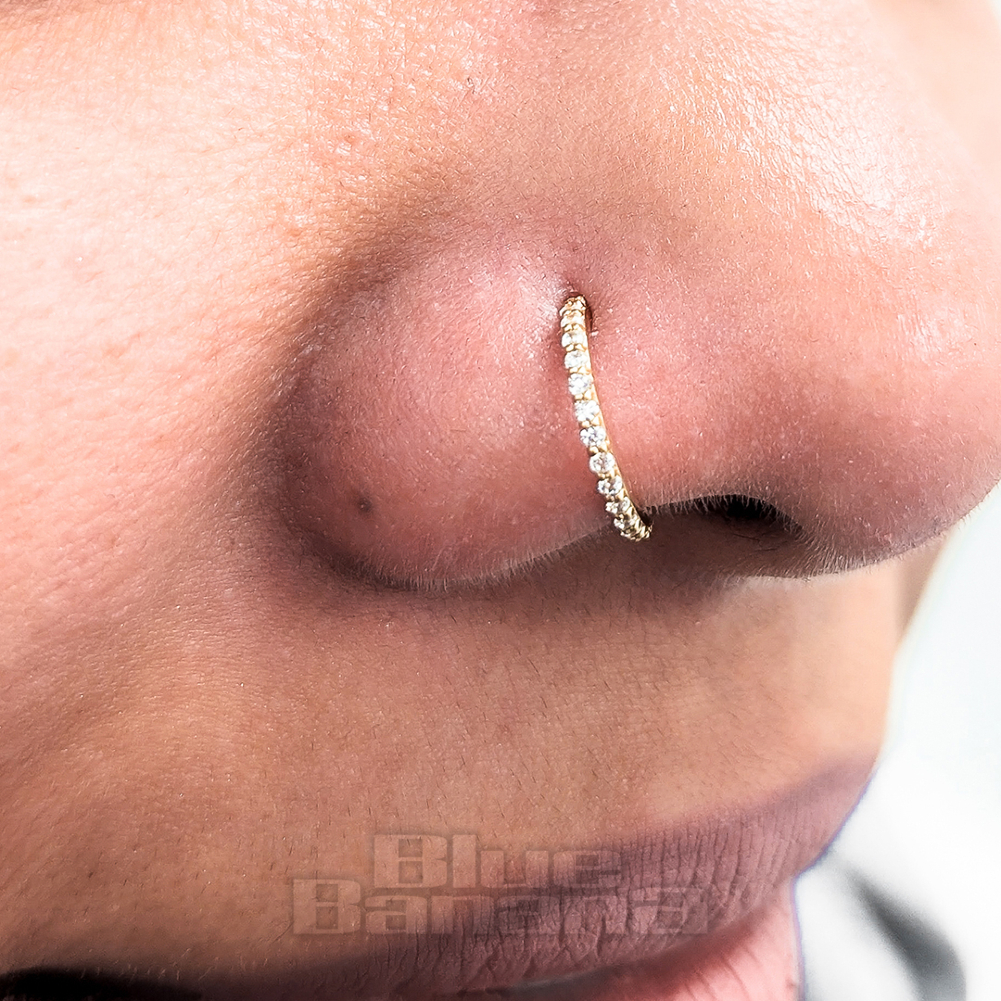
Nostril Piercing | 14K Gold Hinged Segment Ring
Nostril Piercing | 14K Gold Hinged Segment Ring
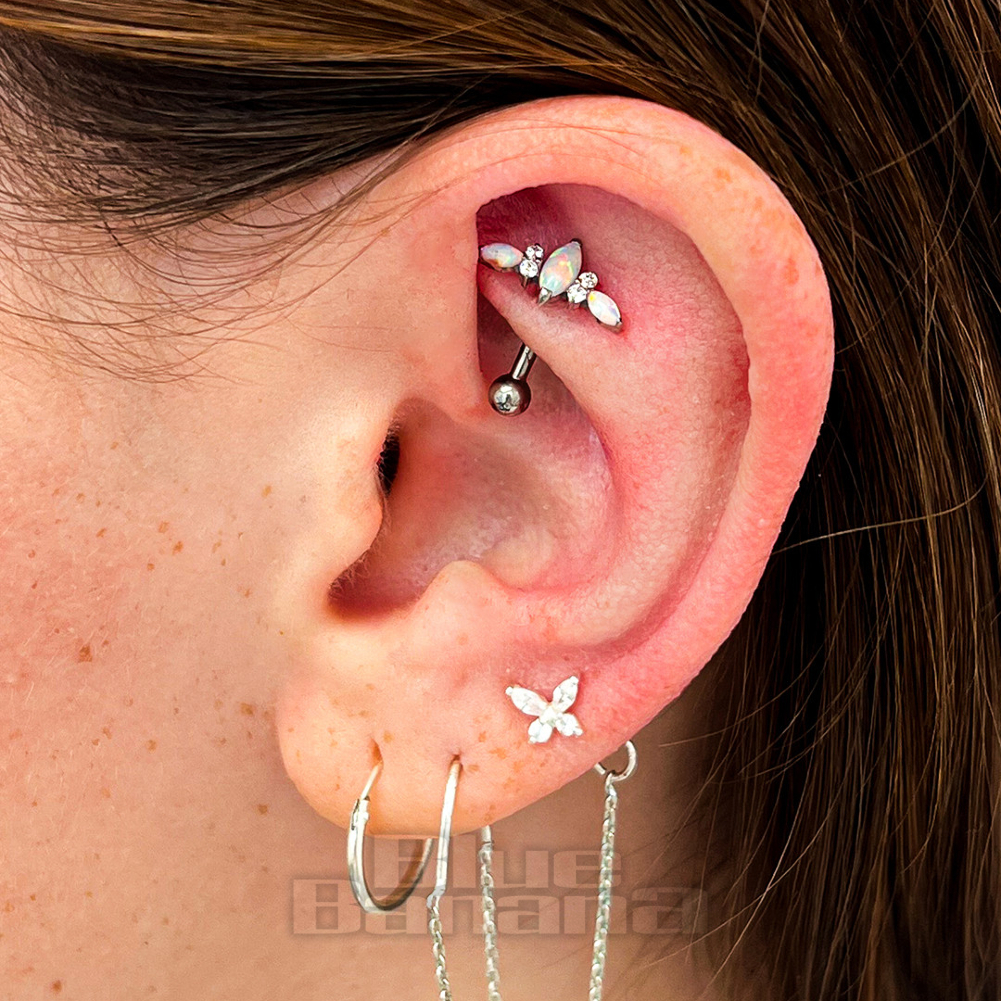
Rook Piercing | Opal Threadless Top & Curved Bar
Rook Piercing | Opal Threadless Top & Curved Bar
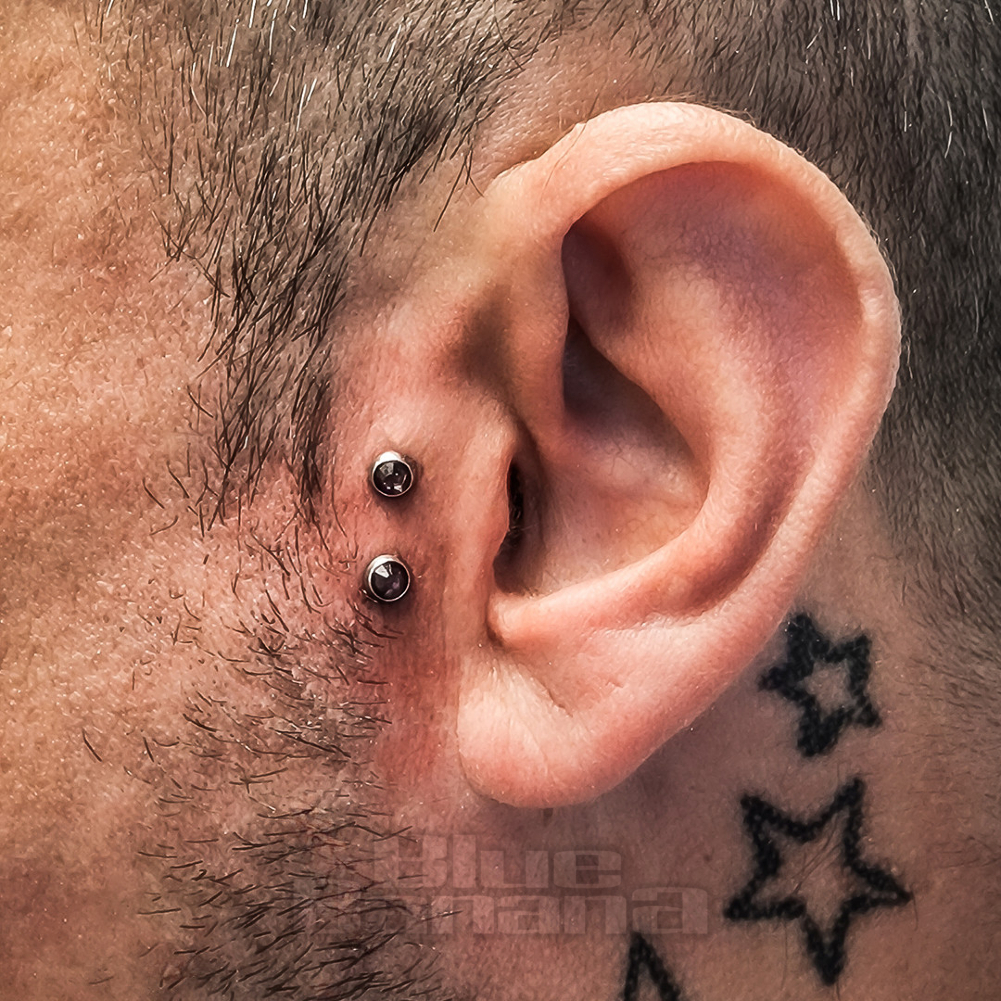
Gill (Surface Piercing) | Polished Titanium Staple Bar & Jewelled Balls
Gill (Surface Piercing) | Polished Titanium Staple Bar & Jewelled Balls
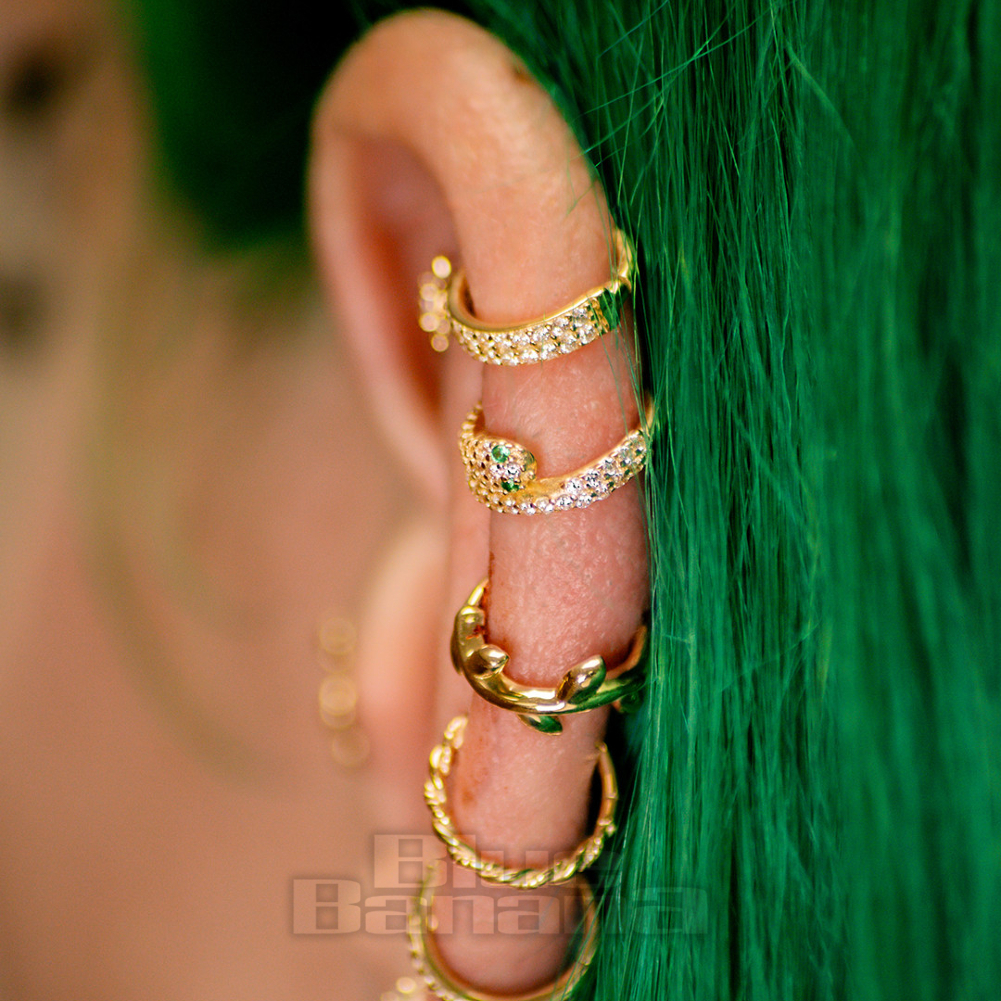
Helix Piercings | Real Gold 14K Rings
Helix Piercings | Real Gold 14K Rings
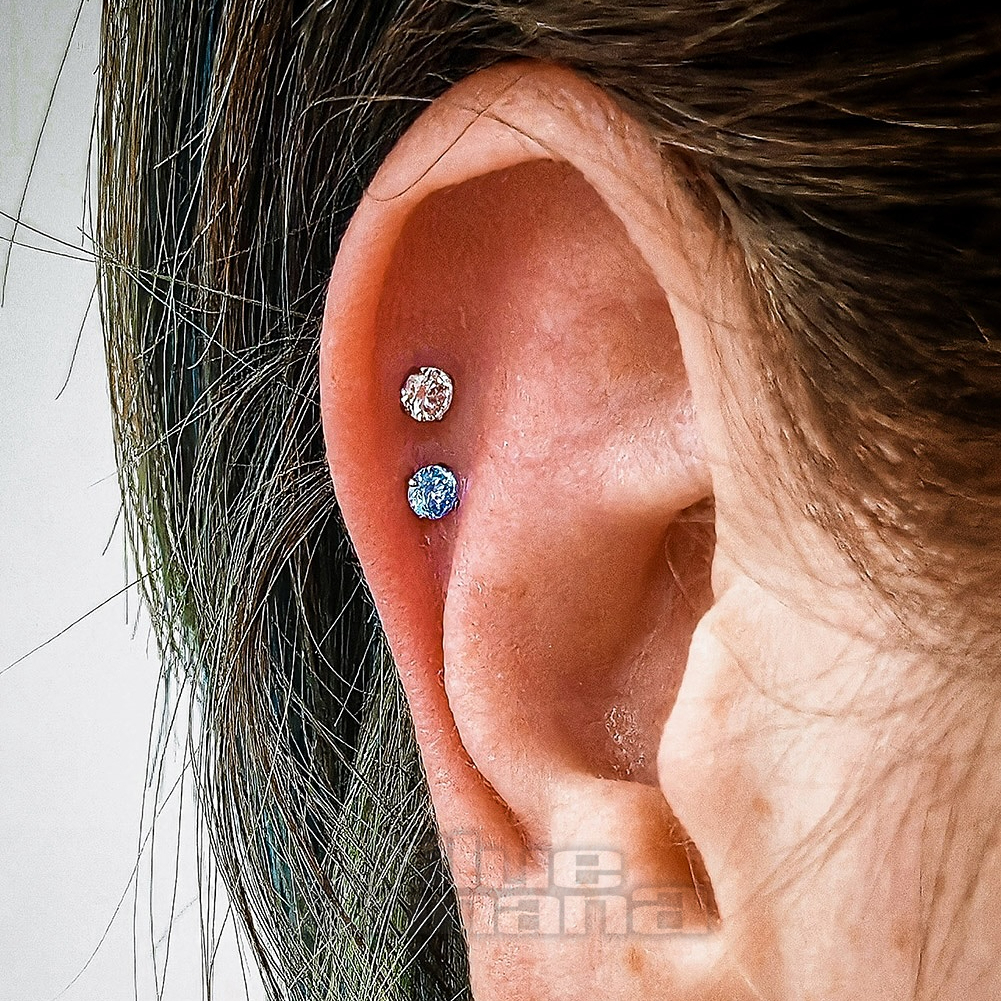
Double Helix Piercing | Threadless Claw Tops
Double Helix Piercing | Threadless Claw Tops
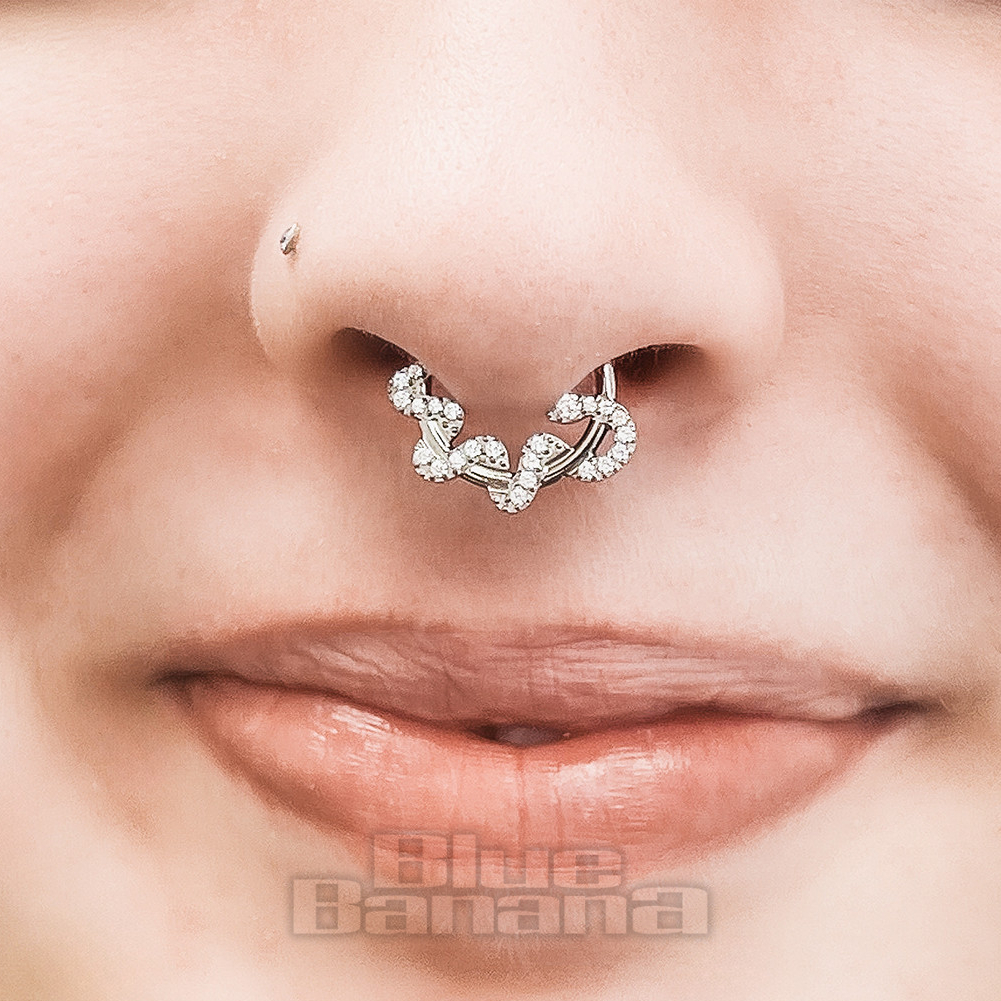
Septum Piercing | Polished Titanium Snake Segment Ring
Septum Piercing | Polished Titanium Snake Segment Ring
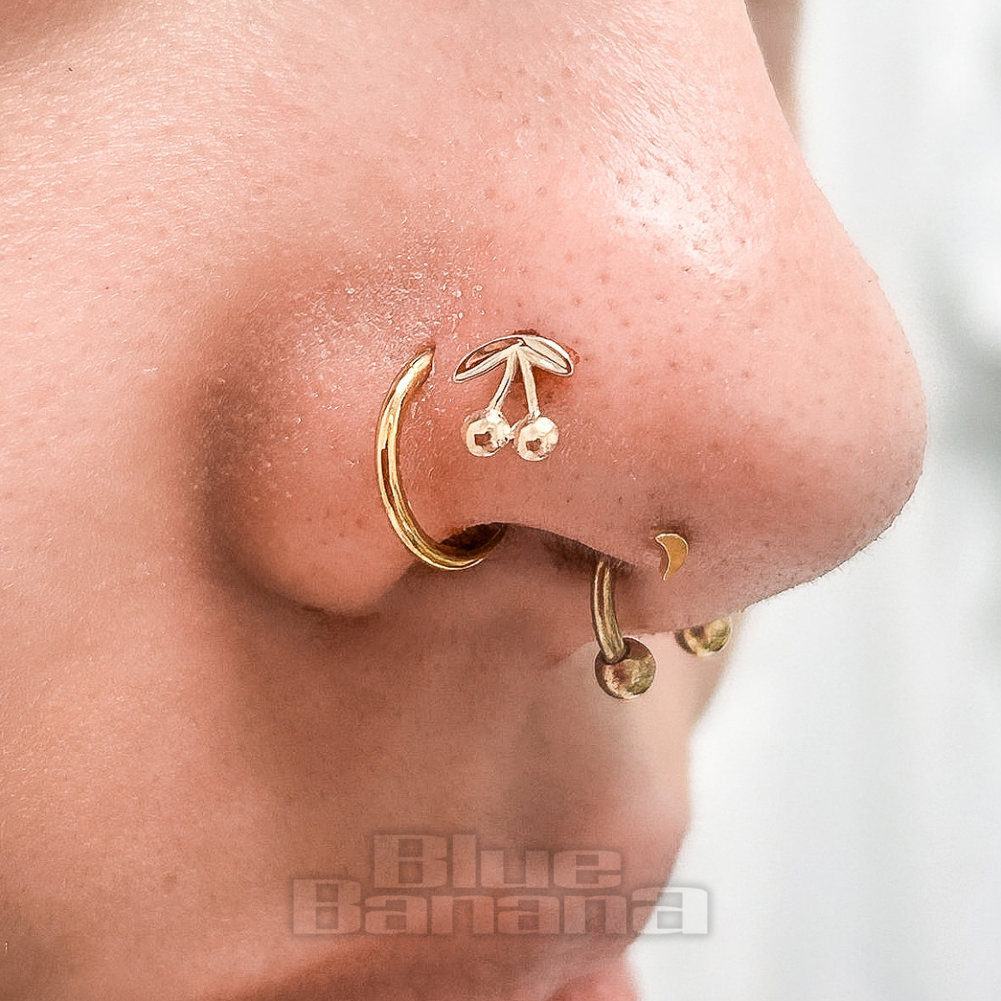
Double Nostril Piercing | Gold Segment Ring & Cherry Threadless Top
Double Nostril Piercing | Gold Segment Ring & Cherry Threadless Top
Products Used
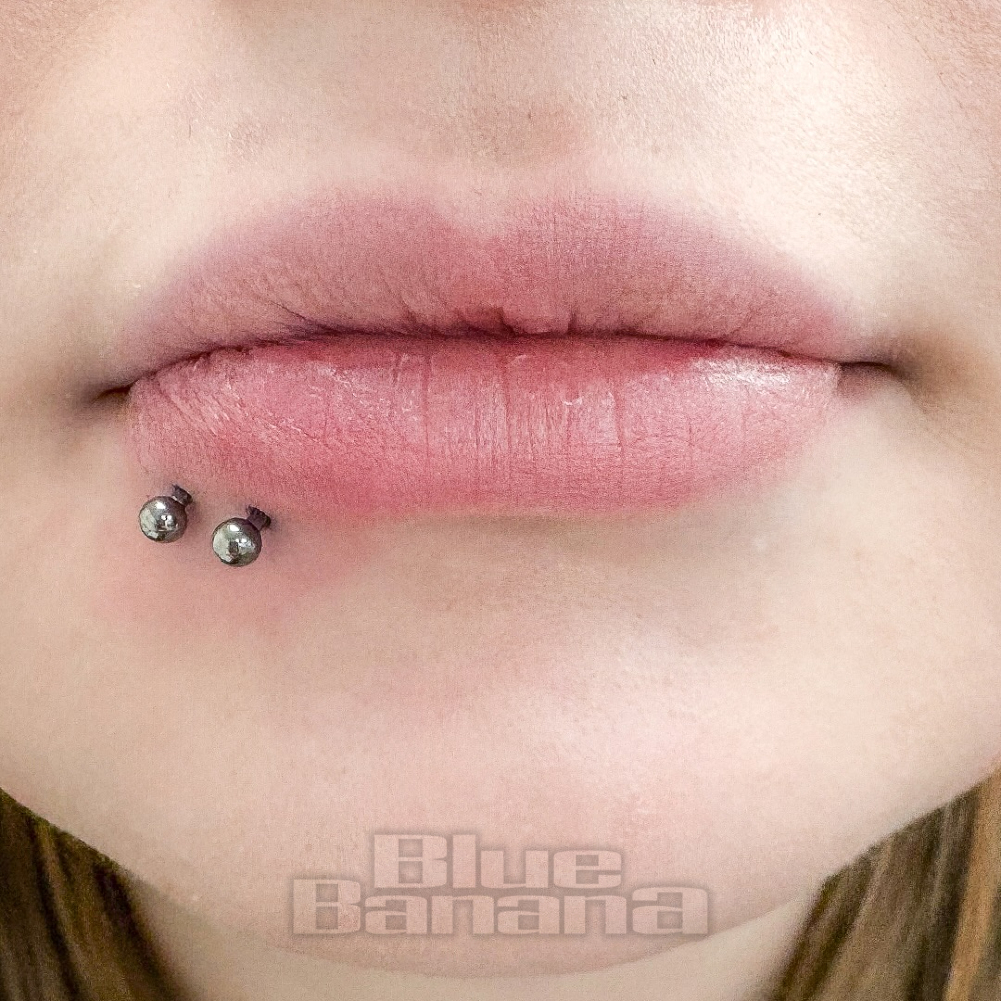
Spider Bites Piercing | Polished Titanium Labret
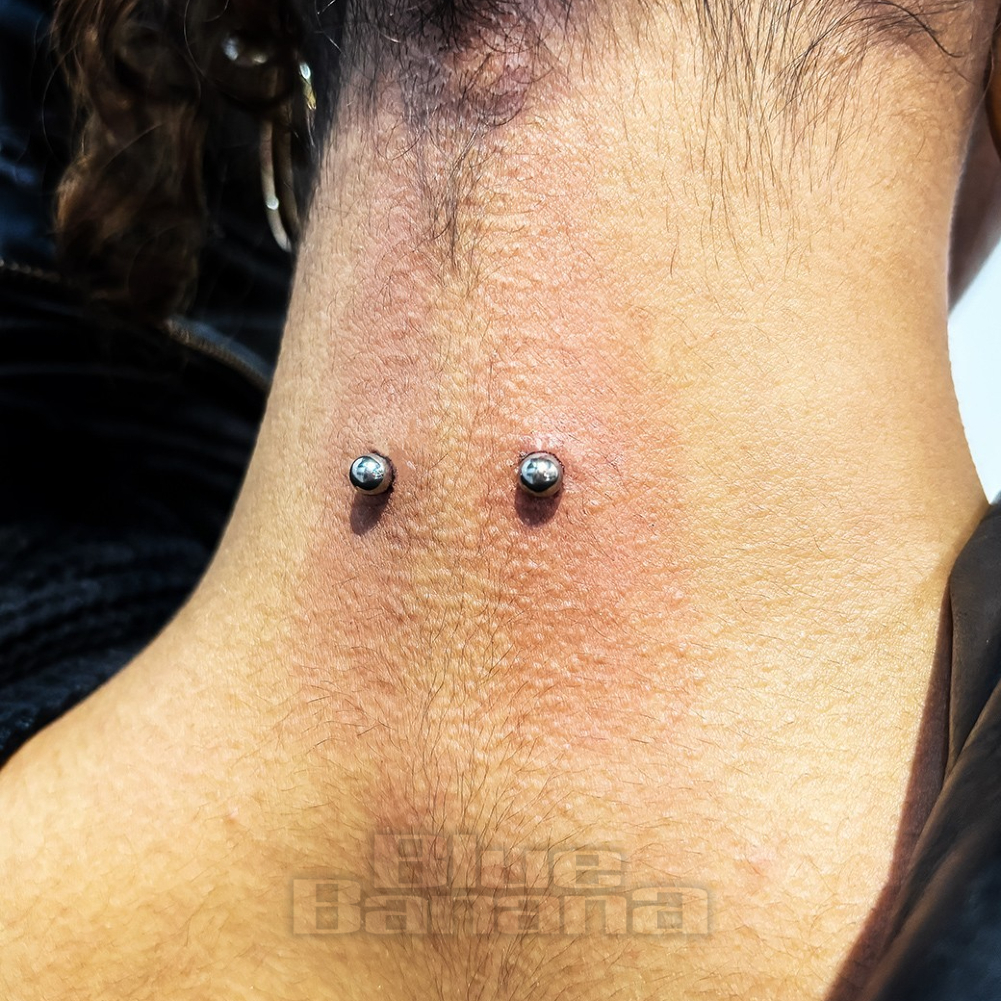
Nape Piercing | Polished Titanium Staple Bar
Nape Piercing | Polished Titanium Staple Bar

Chest Surface Piercing | Titanium Staple Bar & Top
Chest Surface Piercing | Titanium Staple Bar & Top
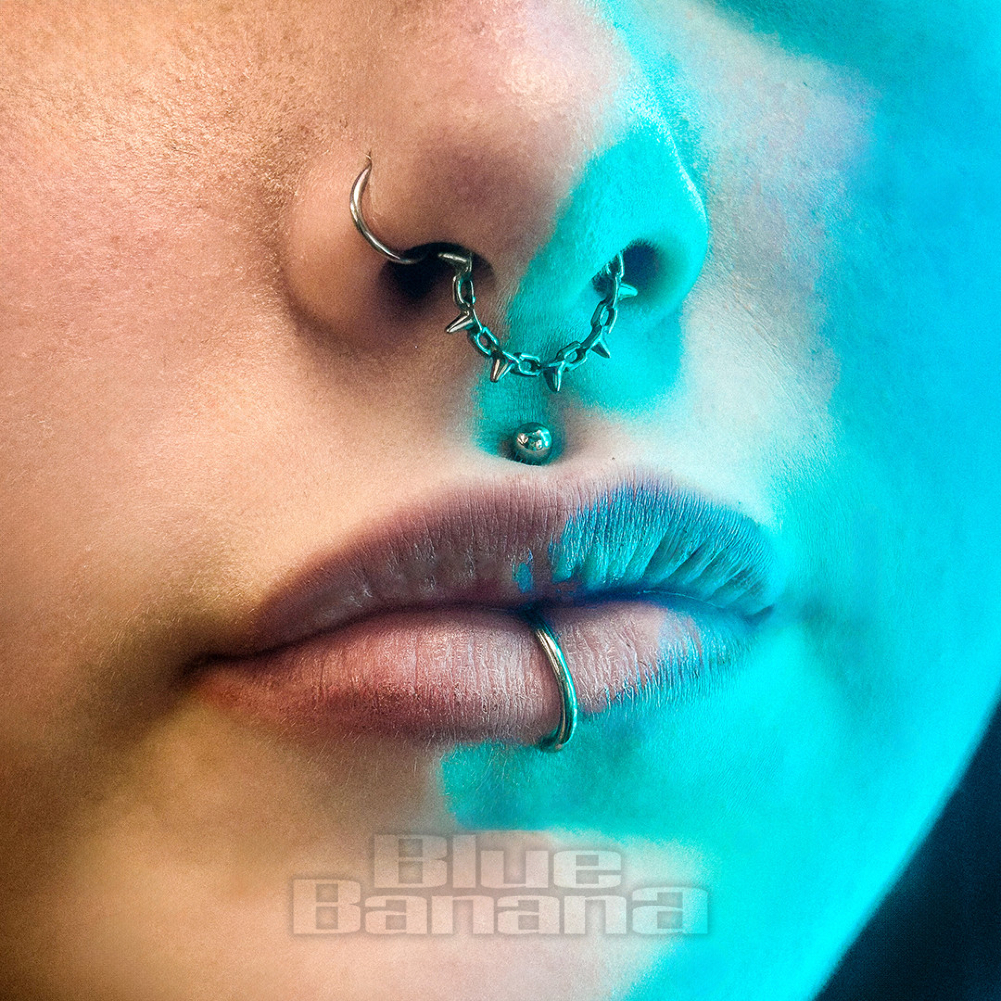
Labret Piercing | Surgical Steel Segment Ring
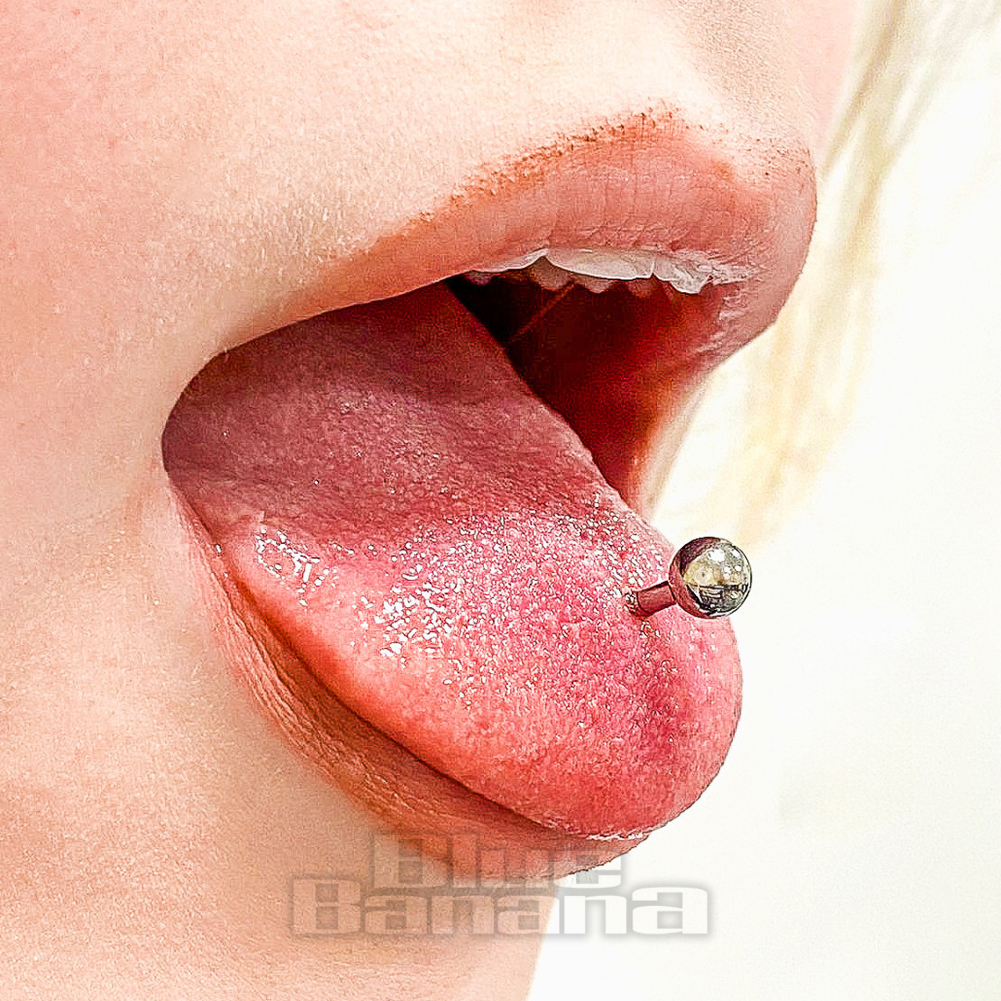
Tongue Piercing | Polished Titanium Barbell (Silver)
Tongue Piercing | Polished Titanium Barbell (Silver)
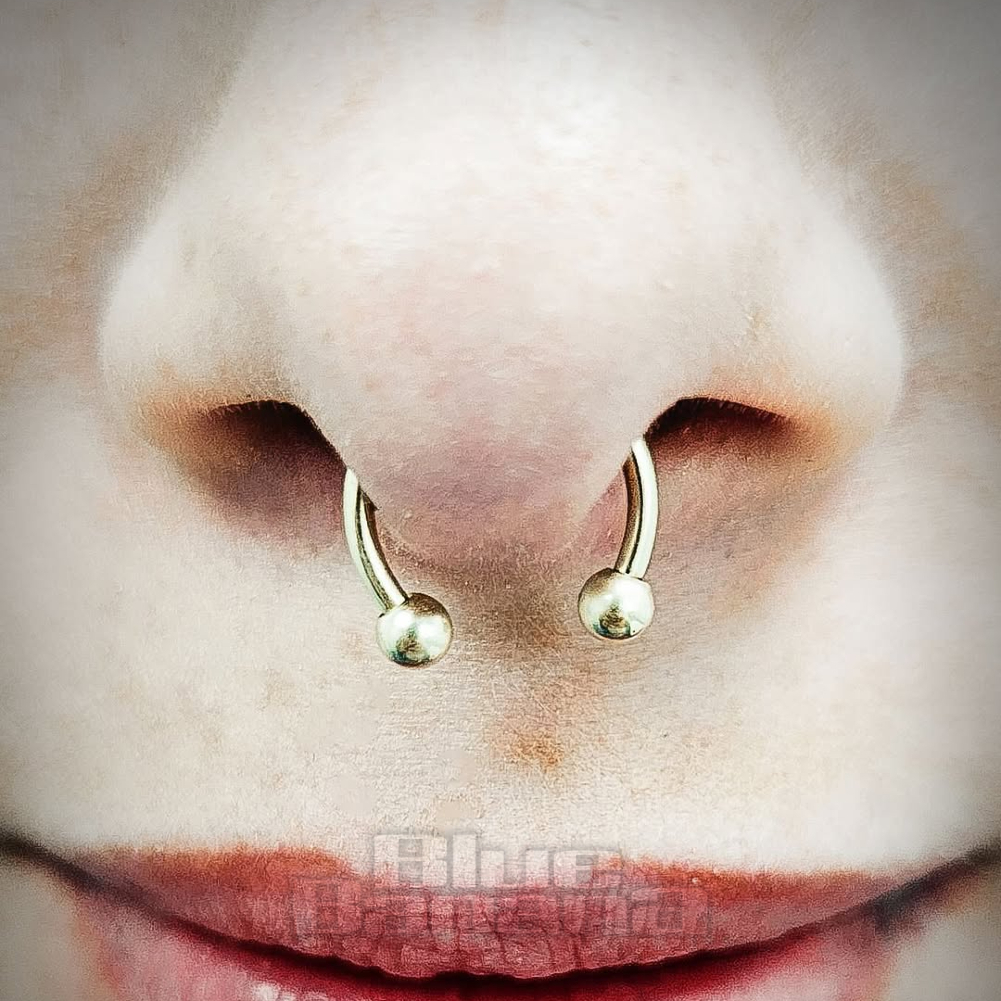
Septum Piercing | Plasma Gold Circular Barbell
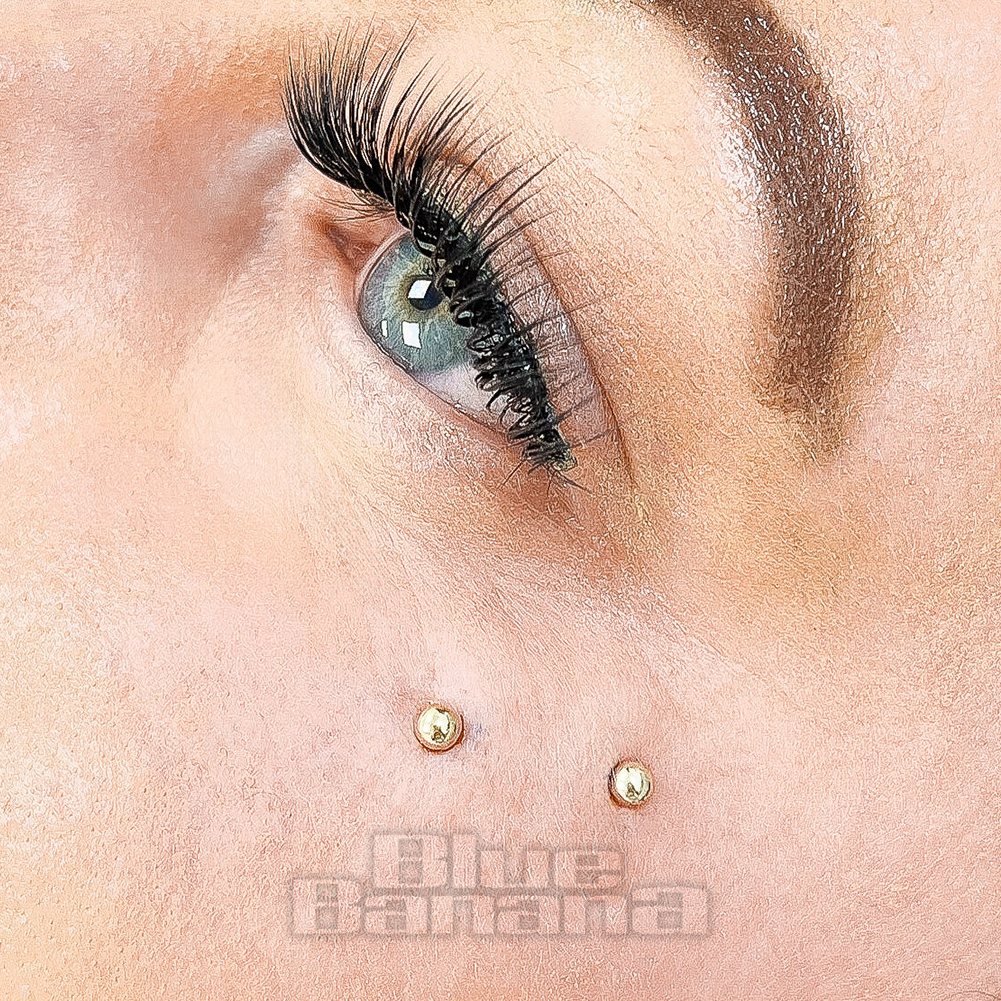
Anti-Eyebrow Piercing | Polished Titanium Staple Bar
Anti-Eyebrow Piercing | Polished Titanium Staple Bar
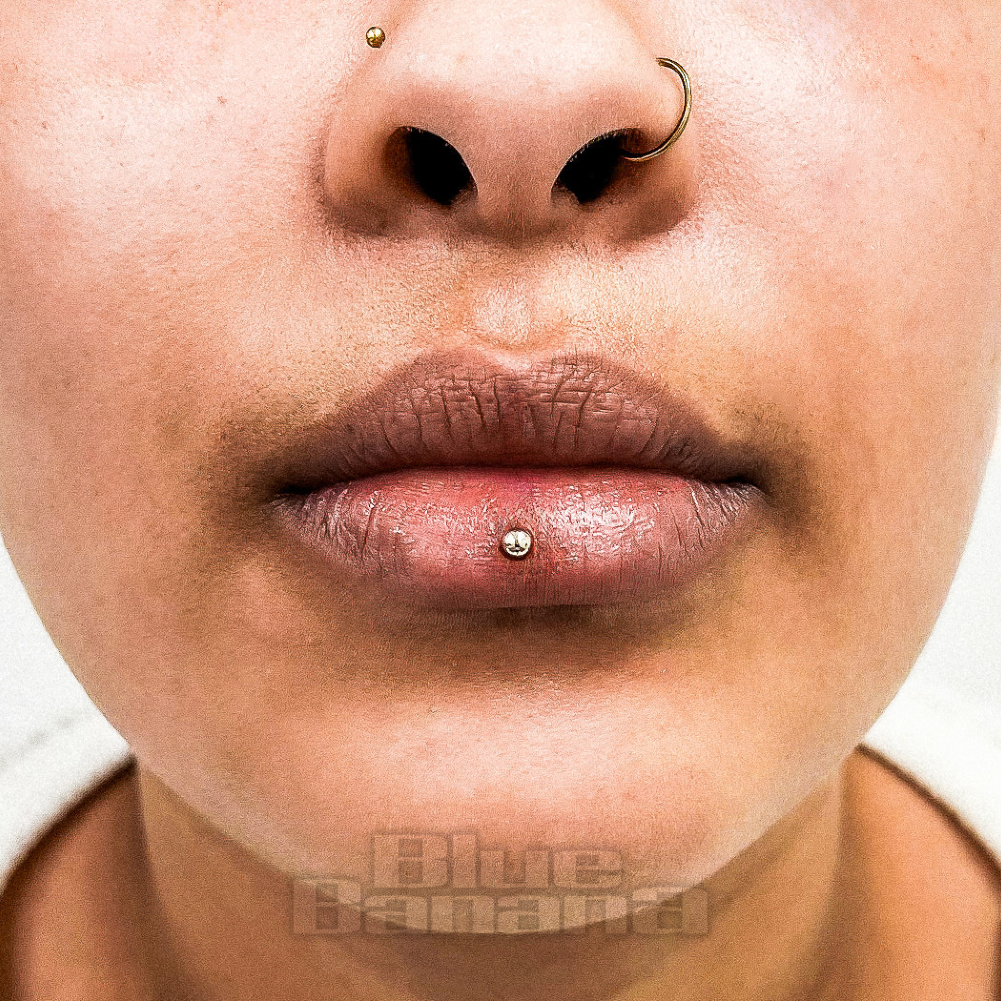
Ashley Piercing | Polished Titanium Labret (Silver)
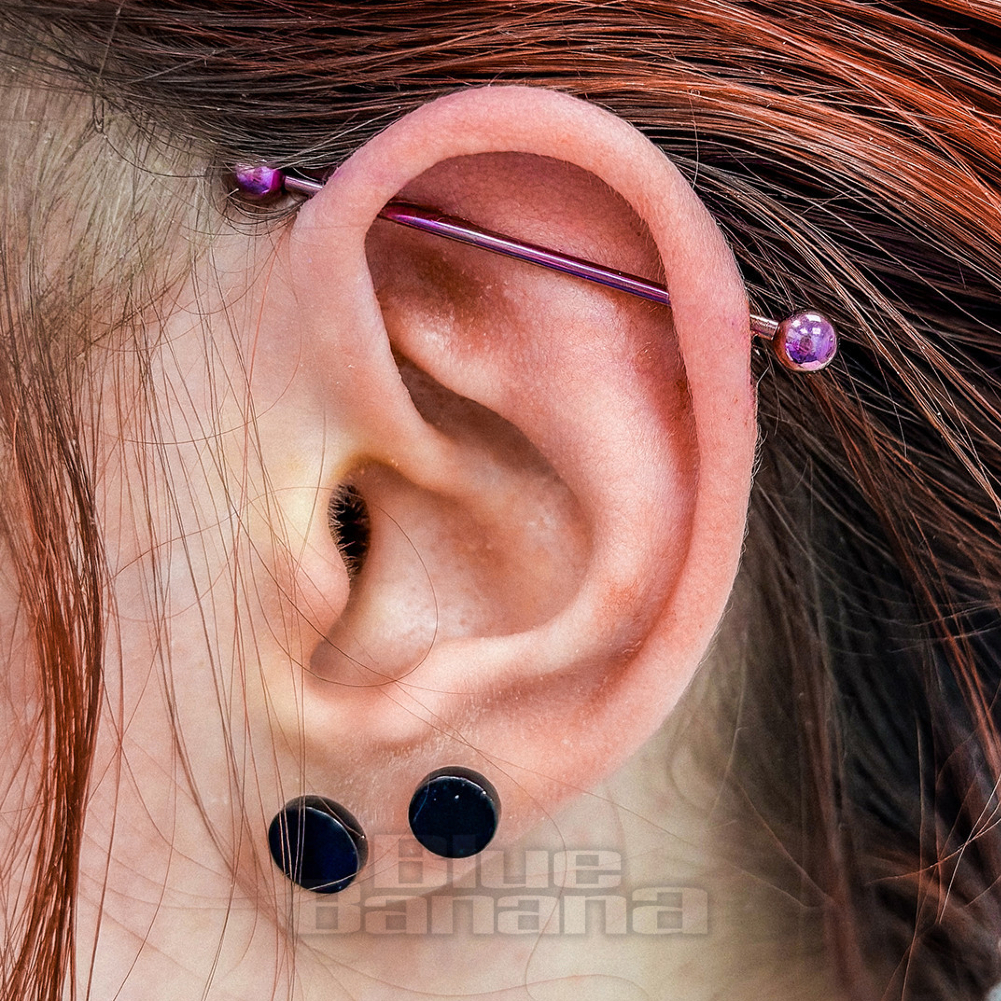
Industrial Piercing | Purple Titanium Barbell
Industrial Piercing | Purple Titanium Barbell
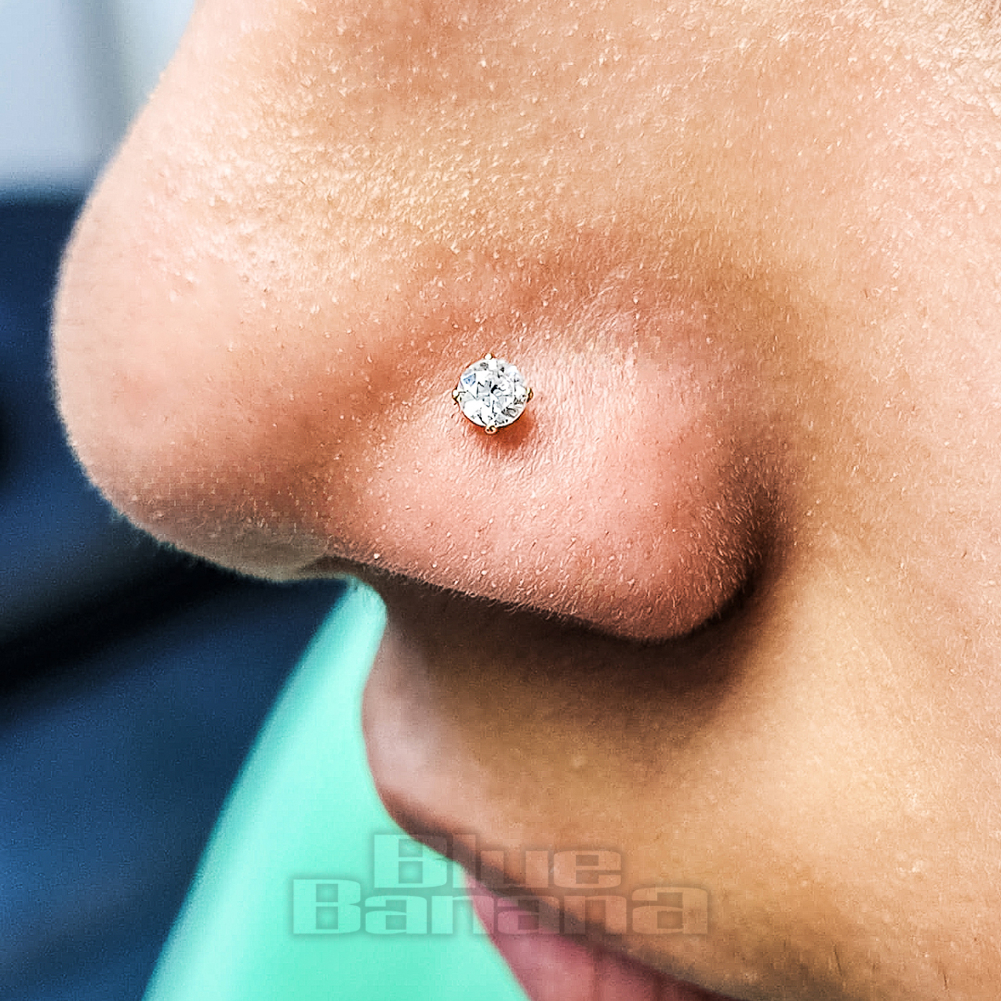
Nostril Piercing | Lab Diamond Threadless Top
Nostril Piercing | Lab Diamond Threadless Top

Double Helix Piercing | Plasma Gold Threadless Labrets
Double Helix Piercing | Plasma Gold Threadless Labrets
Products Used
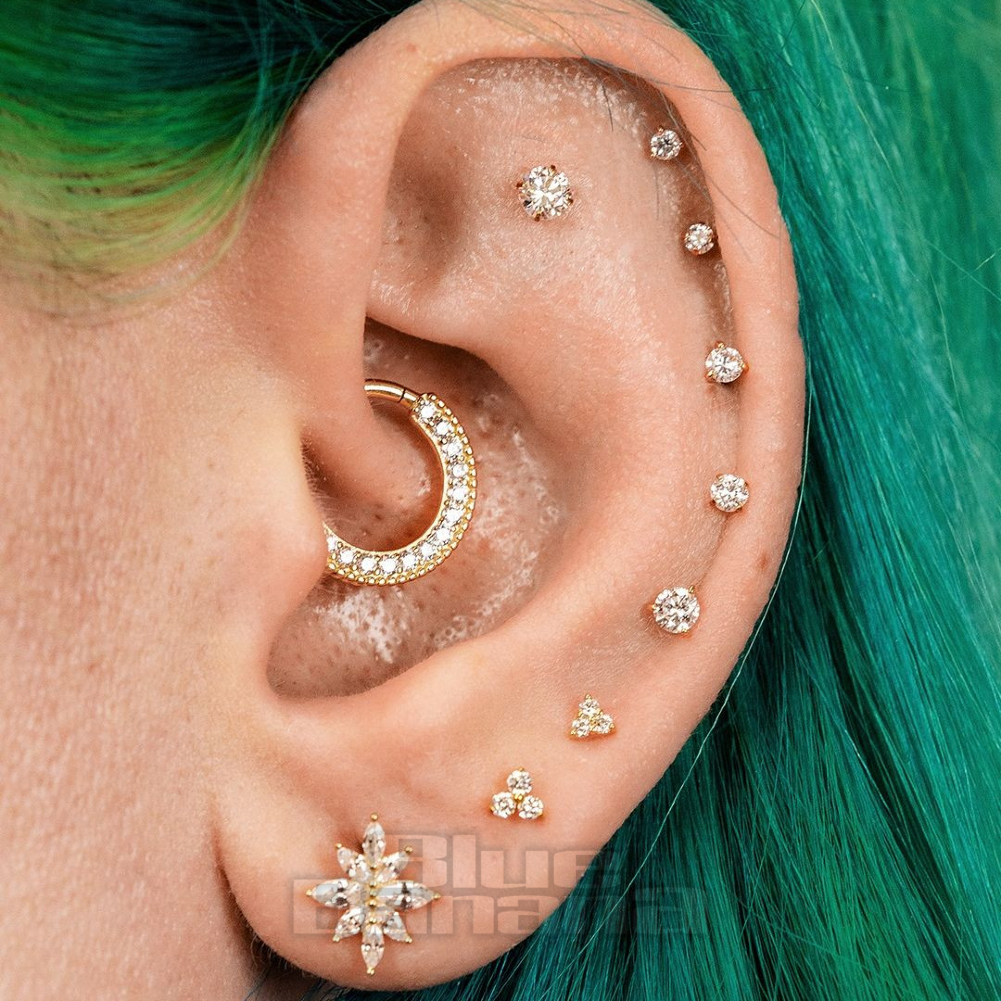
Curated Ear Piercings | Lab Diamond Studs
Curated Ear Piercings | Lab Diamond Studs
Products Used

Tongue Piercing | Purple Titanium Barbell
Tongue Piercing | Purple Titanium Barbell

Vertical Labret | Polished Titanium Curved Barbell
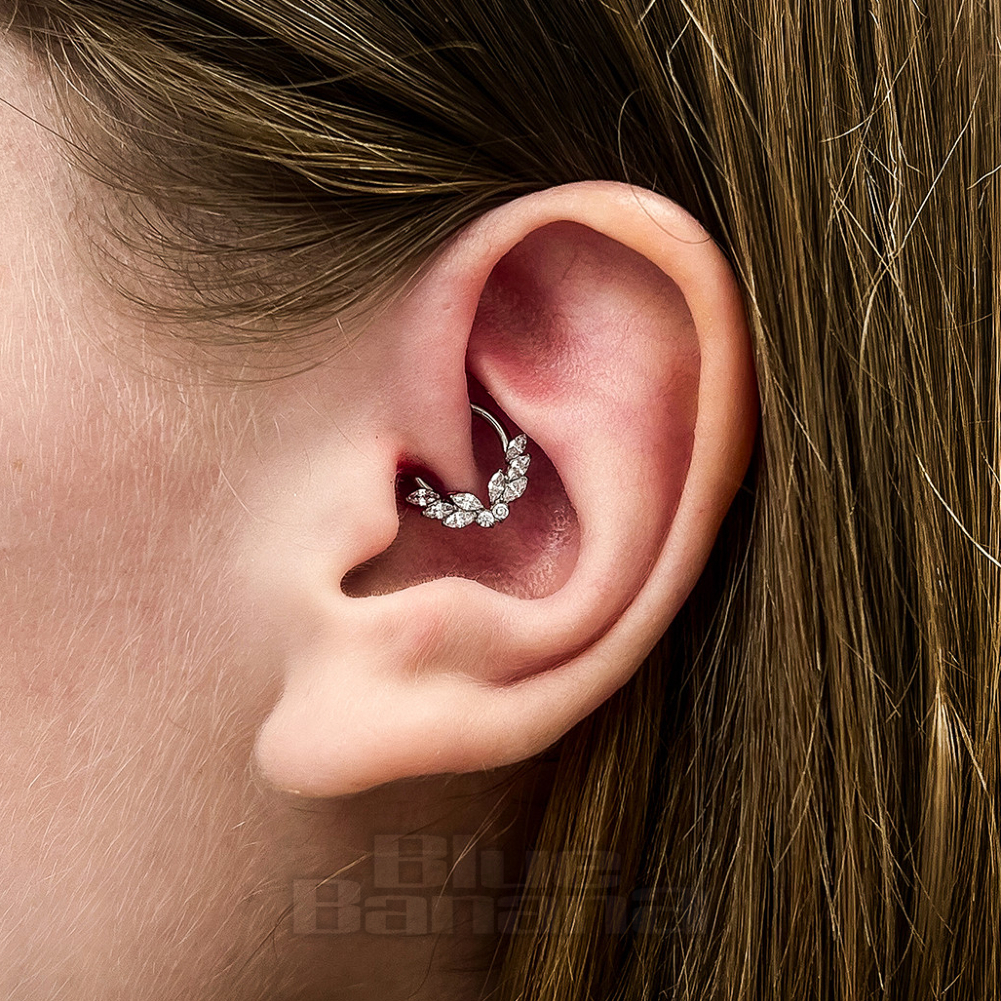
Daith Piercing | Crystal Wreath Segment Ring
Daith Piercing | Crystal Wreath Segment Ring
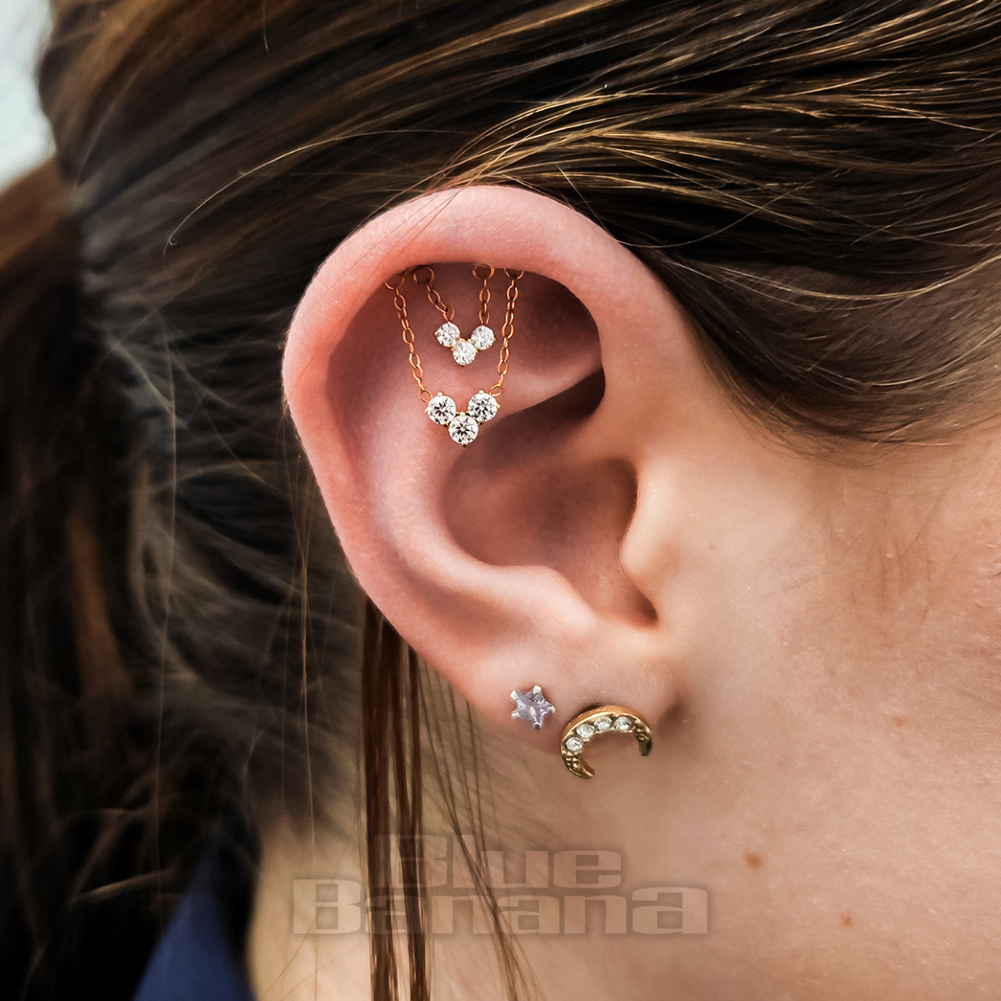
Hidden Helix Piercing | Gold Double Chain Threadless Labret
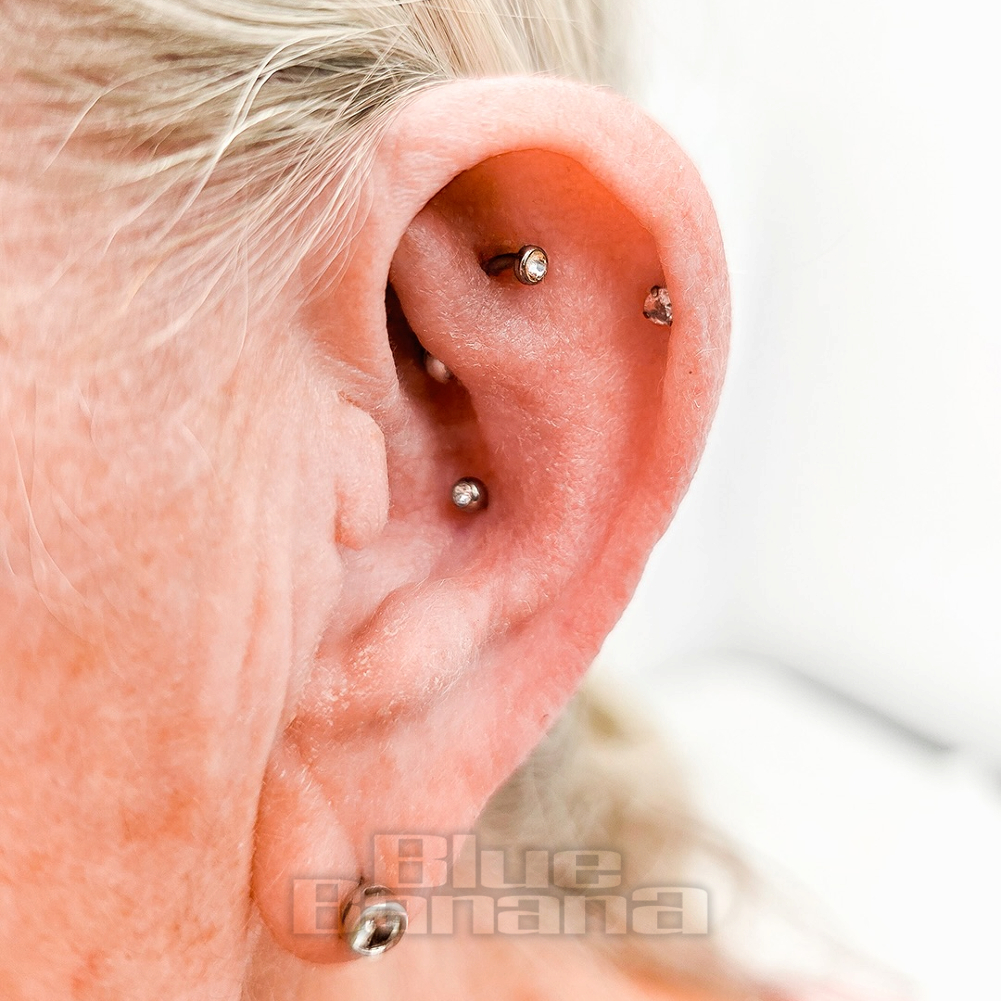
Rook Piercing | Steel Curved Barbell (Crystal)
Rook Piercing | Steel Curved Barbell (Crystal)

Vertical Helix Piercing | 14k Gold Threadless Top
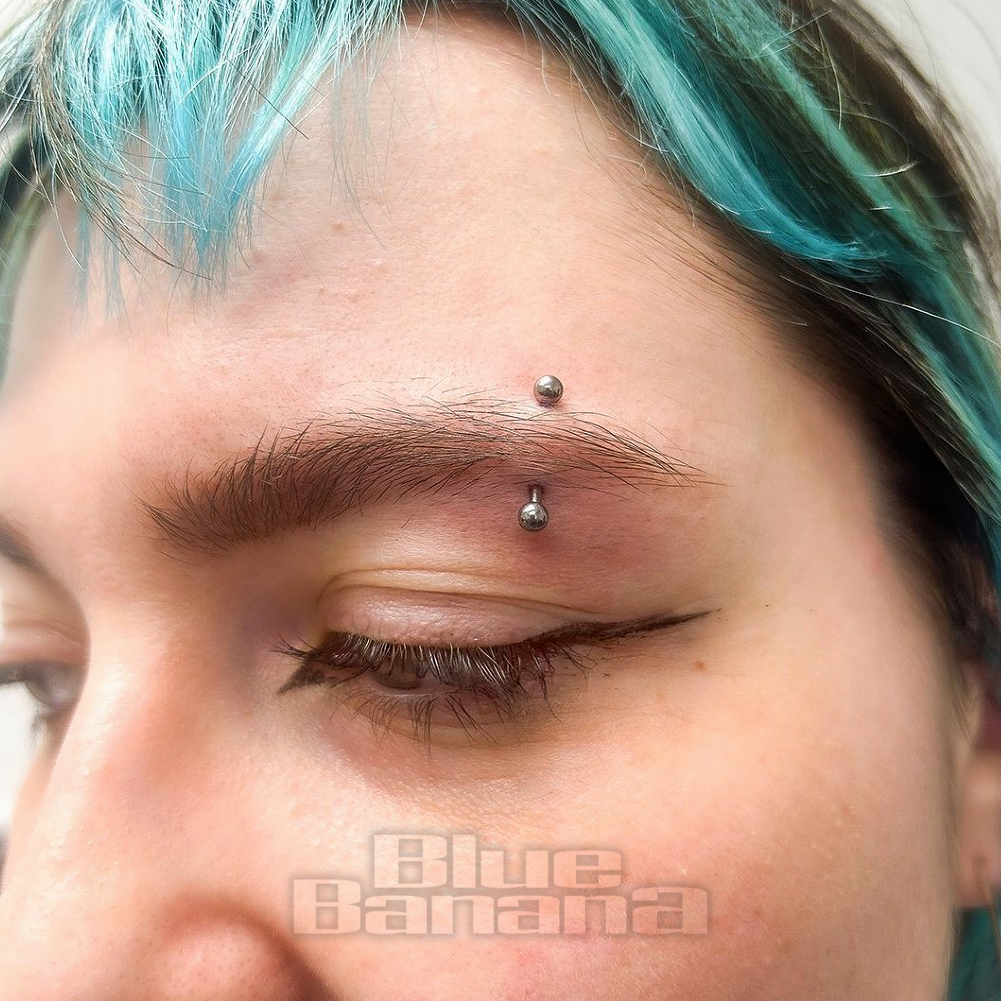
Eyebrow Piercing | Titanium Curved Barbell
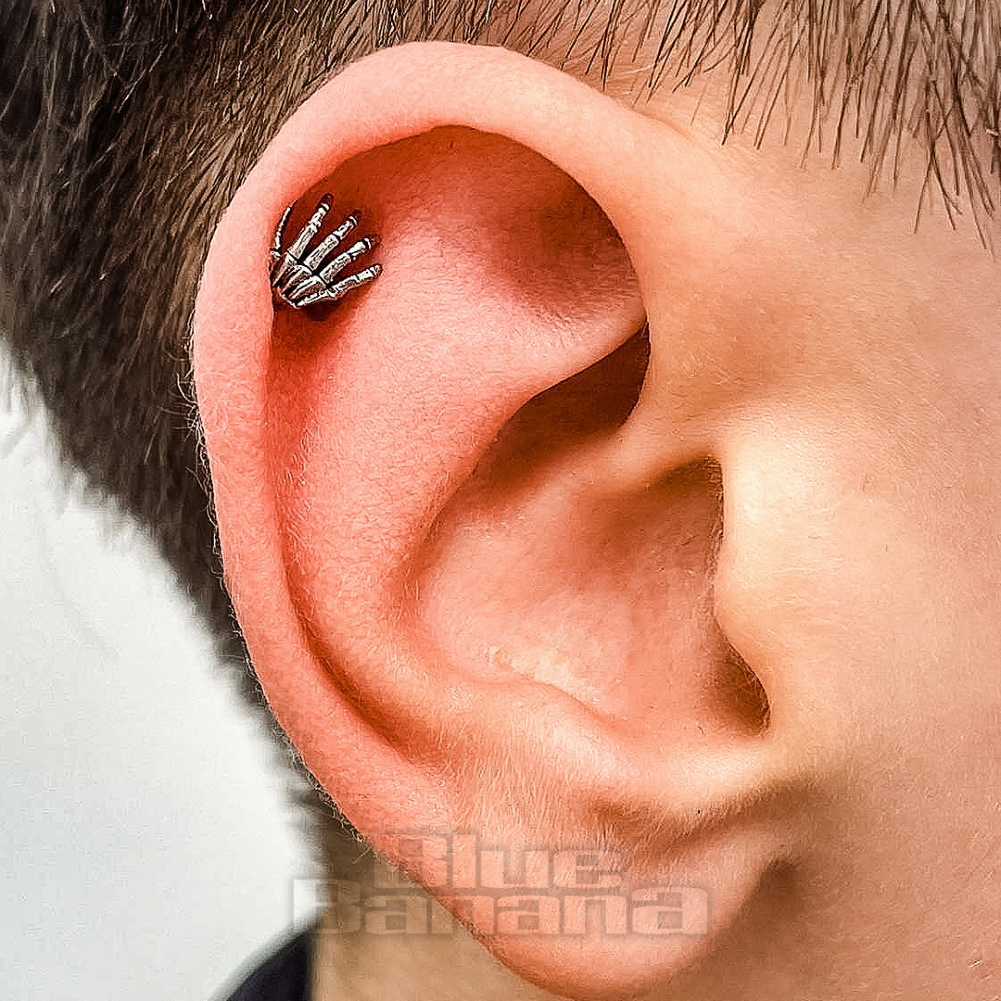
Helix Piercing | Skeleton Threadless Top
Helix Piercing | Skeleton Threadless Top
What do I need to know about piercing aftercare?
There are a few key tips that everyone should know about piercing care:
-
ALWAYS handle your piercing with clean, washed hands
-
ALWAYS wait for the advised healing period before trying to change your jewellery
-
ALWAYS clean your piercing twice a day for the entire healing period
-
NEVER rotate or pull on your jewellery
-
NEVER use soap or alcohol-based products on your piercing
-
NEVER ignore infection
There’s plenty more to know, but those are the essentials. We’ll go over individual body parts below, and a step-by-step tutorial on cleaning your piercing at home. Want more piercing care FAQs? You can find all of our aftercare information here.
Piercing Aftercare- What You Need
To clean your piercing, you’ll need some dedicated aftercare products. Piercing solution is a must, but there are also a few extras in our aftercare collection that can go a long way towards helping your piercing heal quickly and effectively. Here they are…
-
Pro-Pierce Ultimate Aftercare Solution- This piercing solution is the best thing to clean your piercing with. Cleansing, antibacterial, skin-neutral, and dermatologically tested- this piercing care solution was created specifically for targeting the harmful bacteria around your piercing, without irritating your healing skin. Use this twice a day to clean your new piercing (instructions below).

-
Pro Pierce Tea Tree & Almond Oil- For sensitive skin, we recommend our pro-pierce tea tree & almond oil, perfect for healing small infections and bumps. This natural oil is a gentler approach to keeping your piercing clean. Use twice a day for the duration of your healing period.

-
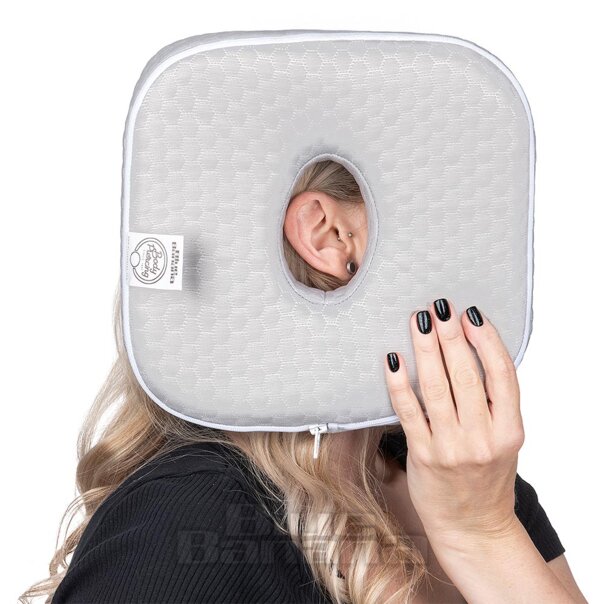
Blue Banana Piercing Pillow- Finally, we have the perfect product to help you avoid pulling and twisting on your sensitive piercing. This piercing pillow features a hole around the ear, so that you can sleep lying sideways without worrying about your piercing becoming irritated. Piercing lovers are obsessed with our piercing pillow!
How To Clean Your Piercing- Piercing Care Tutorial
This tutorial applies to ear piercings, nose piercings, and any surface face and body piercings.
-
Wash your hands carefully, and ensure that they’re clean and dry.
-
Use a cotton pad or bud to apply some Pro Pierce Ultimate Solution to the area around your piercing. You want to get as much on as possible- you could even use a cup or bowl to fully submerge the piercing in care solution.
-
Remove any fluid or crust with your cotton bud/pad, being careful not to pull on the piercing itself. Repeat the cleansing process until you’ve removed all build-up.
-
Pat the piercing dry (gently) with a non-fibrous paper towel.
-
Check that your jewellery is secure.
-
Wash your hands again.
You’ll need to do this 2 times a day for the entire duration of your piercing healing time.
How do I clean oral piercings?
For oral and mouth piercings, the process is a little different. Instead of using a cotton pad/bud to clean the area around your piercing, we recommend swishing some fresh Pro-Pierce Solution around your mouth and then spitting it back out. This should be enough to keep the area clean and healthy. Do this 2 times a day for the entire duration of your piercing healing time.
How long will it take for my piercing to heal?
This depends on the type of piercing you have:
-
Ear lobe piercings: 6-8 weeks
-
Oral piercings: 4-6 weeks
-
Ear cartilage piercings: 3-9 months
-
Nose piercings: 3-9 months
-
Navel piercings: 3-9 months
-
Nipple piercings: 6-12 months
(The above healing times are guidelines only. Healing will vary from person to person due to individual anatomy- if in doubt, ask your piercer for expert advice).
What if my piercing gets infected?
Piercing infection isn’t uncommon, so it’s important to know how to handle it. If you’re noticing a little swelling, bleeding, or weeping, everything is fine. This is a normal part of the healing process. However, if you notice excessive, incessant weeping or bleeding, or any other abnormal reaction, you should immediately consult a specialist. Our piercers are always available for walk-in appointments, or you can book a consultation online. If you were pierced with Blue Banana, any following piercing consultation will be completely free, so make the most of it! Our talented, trained piercers will be happy to answer any questions you may have about your piercing.
Some swelling can be classed as a 'keloid', however, it should be noted that not all lumps are keloids, some can simply be side effects of the healing process. If keloids or any other form of lumps develop during healing then return to the store for advice.
Your piercing may also migrate- this is caused by your body trying to push the foreign object out. A little migration may be ok, but as migration can lead to piercing rejection and possible infection and scarring, we recommend returning to the store and getting some expert piercer advice.
Extra Resources:
Contact our customer services team with any other questions!